
Sjögren’s and Autoimmune Dry Eye: Signs Worth Checking

TLDR: Sjögren’s and dry eye deserve a closer look when you also have persistent dry mouth. An eye exam helps identify eye findings for your physician to investigate. Treatment addresses your eye symptoms while a physician investigates the wider cause.
Answer: Sjögren’s is an autoimmune disease that affects tear and saliva glands, often causing dry eyes and dry mouth. In Las Vegas, persistent symptoms in both places need more than another bottle of drops. Your optometrist looks for eye signs and recommends physician evaluation when needed, while a physician combines findings and tests to diagnose Sjögren’s.
Toast, a tall glass of water, eye drops beside the plate. That is breakfast in your Las Vegas kitchen now. Your mouth stays dry and your eyes stay gritty, no matter how much you sip. I want both halves of that story.
I reviewed 123 primary sources across five research lenses for this guide, and persistent dry eyes with dry mouth call for evaluation for possible Sjögren’s. You do not need to decide which diagnosis fits before seeking eye care. My dry eye treatment approach begins with your symptoms and eye findings, as outlined on our dry eye care page.
What Links Sjögren’s and Dry Eye?

Sjögren’s goes after your moisture glands. Sjögren’s is a chronic autoimmune disease in which the immune system attacks tear and saliva glands, explains NIH NIAMS. Dry eyes and dry mouth are its main symptoms. Include fatigue and aching joints or muscles in the health history you share.
The term aqueous-deficient dry eye means your eyes have too little watery tear fluid. Evaporative dryness means tears dry up too quickly, and both problems sometimes occur together. The distinction matters because treatment needs to match the problem. A symptom such as burning alone does not identify its cause.
You pause for water on a shaded Summerlin walking path, with red rock in the distance. Later, back indoors, your mouth still feels dry and your eyes still sting. Include both settings when you describe the symptoms. I would rather hear an ordinary detail twice than miss a symptom you thought belonged at another appointment.
Why Does Dry Mouth Change the Conversation?

Persistent mouth dryness gives your eye symptoms more context. The 2017 TFOS DEWS II report recommends referral for possible Sjögren’s when dry eye occurs with daily dry mouth for over three months, recurrent swollen salivary glands, or needing liquids to swallow dry food. Count how long your mouth has felt this dry. That duration is a referral clue, not a reason to postpone a visit.
An evaluation connects your symptoms with test findings. According to NIH NIAMS, a physician diagnoses Sjögren’s using symptom history, gland function and evidence of autoimmunity, with no single test providing the diagnosis. Eye findings contribute to that evaluation. A rheumatologist is a physician who evaluates autoimmune disease.
| Part of the Evaluation | What It Adds | What to Share |
|---|---|---|
| Eye assessment | Information about tears and the eye surface | Your dryness, irritation and response to drops |
| Mouth and salivary gland assessment | Information about saliva production and gland health | Your mouth dryness and swallowing difficulties |
| Physician assessment | Symptoms and test results considered together | Your medical history, medicines and existing diagnoses |
A comprehensive eye exam helps identify signs worth investigating further. Your physician decides which additional tests fit the findings. Those include blood tests and, when appropriate, salivary gland tests, imaging or biopsy. The next step should answer a specific question about your health.
What Other Autoimmune Conditions Affect Your Eyes?
Your existing diagnoses help focus the eye evaluation. The National Eye Institute lists lupus, Sjögren’s and thyroid problems among health conditions linked to dry eye. Sjögren’s also occurs alongside rheumatoid arthritis or lupus. These conditions do not all produce the same eye findings.
Use the diagnosis your physician gave you. For example, name your thyroid condition exactly as your physician wrote it. A thyroid problem on your chart does not, by itself, explain why your eyes feel dry. Eye symptoms still need their own assessment.
Your medicines count here, too. Some worsen eye and mouth dryness, so your full list matters even when the appointment is about your eyes. The full drug review lives in my guide to medicines that dry the eyes. Discuss prescription changes with the prescriber before making them.
How Is Tear-Deficient Dry Eye Managed?
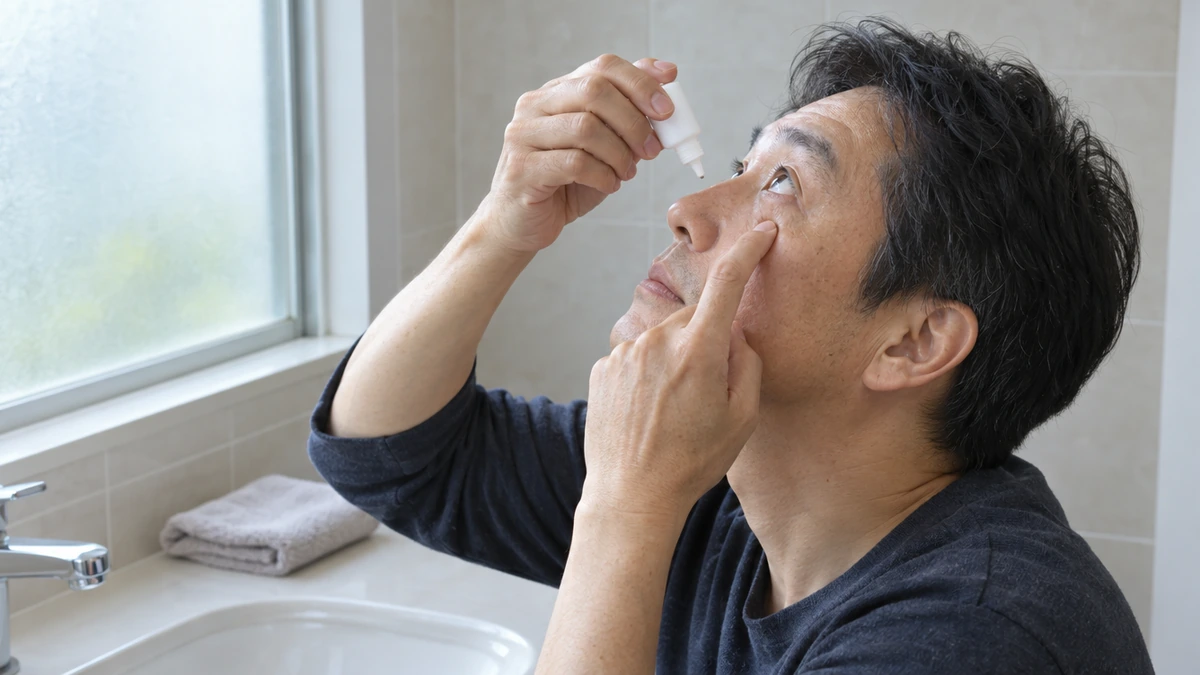
Your eyes need care while the wider medical evaluation proceeds. NIAMS treatment guidance describes artificial tears, prescription anti-inflammatory drops, nighttime ointment and tear duct plugs as options for Sjögren’s eye symptoms. Treatment depends on the findings and your response. Eye symptom relief and whole-body disease care have different jobs.
Artificial tears add lubrication to your ocular surface, the exposed surface of the eye. Prescription anti-inflammatory eye drops address inflammation when that treatment fits. Ointments are thicker and usually suited to bedtime because they blur vision. Use the schedule agreed for your eyes, and report discomfort or difficulty following it.
Punctal plugs conserve tears by slowing drainage, but their average symptom benefit remains uncertain. My guide to punctal plugs explains selection, inflammation control and possible problems if you are considering them. Treatment choices also account for eyelid findings. Warm compresses and eyelid hygiene address associated lid problems such as meibomian gland dysfunction or blepharitis when present.
A treatment review needs more than the phrase “still dry.” Explain which part of your day is difficult and what happened after each treatment. Perhaps the drops feel comfortable, yet you still struggle through an afternoon meeting. I value a plan you understand well enough to describe what helped and what did not.
What Should You Note Before Your Visit?

Five minutes at your Summerlin dining table pays off at every appointment. Jot down what bothered you at breakfast, at work and on the drive home. Plain words win. A sharp symptom history beats a medical label every time.
- Write when your eye dryness began and whether mouth dryness started around the same time.
- Note when swallowing dry food needs a sip of water and whether salivary glands have swollen repeatedly.
- List your medicines, supplements and eye drops, including how you use them.
- Add existing autoimmune or thyroid diagnoses and the physicians involved in your care.
- Record what has helped, what has irritated your eyes and which activities remain difficult.
Share the same history at your eye and medical appointments. Consistent details help each clinician understand what has already been discussed. Include previous test results when you have them. A clear account saves you from trying to reconstruct the sequence during the visit.
Which Eye Symptoms Cannot Wait for a Rheumatology Visit?
Your Sjögren’s workup runs on its own clock, and a red or painful eye does not wait for it. Contact an eye care provider right away for red or painful eyes, as MedlinePlus advises, and tell the office when the change began.
Go to an emergency room right away if you develop sudden intense eye pain, nausea, red eye or blurry vision, the warning symptoms listed by the National Eye Institute. Do not assume these symptoms are your usual dryness. The rest of the urgent list lives in my urgent signs and referral guide.
How I Approach Sjögren’s and Dry Eye at Vision by Amel
I start with your history. That includes your eye symptoms, the treatments you use and health concerns beyond your eyes. At Vision by Amel, your exam moves from patient history through digital diagnostics and my evaluation to your plan. You have room to explain the dry mouth alongside the gritty eyes.
Your eye health plan follows the findings. Depending on your eyes, it includes lubricating drops, targeted prescription drops, lid care or consideration of punctal plugs. When findings suggest a systemic condition, I recommend evaluation by your physician or a rheumatologist. When your eyes need an ophthalmologist’s care, I make that referral.
Look for Vision by Amel at Festival Plaza in Downtown Summerlin, 2010 Festival Plaza Dr, Suite 195. No referral is needed for an eye exam. Book online or call my team, and mention persistent dry eyes together with mouth dryness when arranging your visit. Our medical eye care page explains the broader service.
Frequently Asked Questions About Sjögren’s and Dry Eye
What Is Sjögren’s and How Does It Affect the Eyes?
Sjögren’s is an autoimmune disease involving moisture-producing glands, including your tear glands. Beyond dryness, the American Academy of Ophthalmology lists contact lens discomfort and blepharitis among its eye-related symptoms. Mention changes in lens comfort even when your glasses still seem fine.
Could My Dry Eyes and Dry Mouth Be Sjögren’s?
That pairing earns a closer medical look for possible Sjögren’s. Add joint pain, swelling or stiffness to the history you share, especially alongside dry mouth. MedlinePlus advises prompt care for that combination, so include those symptoms when arranging the medical visit.
How Is Sjögren’s Diagnosed, and Can an Eye Exam Detect It?
A comprehensive eye exam sometimes detects the first signs, the AAO says, and those findings support your physician’s evaluation. Antibody blood tests also contribute, but healthy people and people with other disorders sometimes have the same antibodies. Your physician interprets the results with gland function and symptoms, rather than treating a positive antibody result as the diagnosis.
Who Gets Sjögren’s?
Nine of 10 people with Sjögren’s are women between 40 and 60, the American Academy of Ophthalmology reports, yet it affects men and other ages too. NIAMS puts the most common start in the 40s and 50s. Your age and sex never rule out a check of persistent symptoms.
Is Sjögren’s Serious?
Yes. It calls for medical follow-up because it sometimes affects organs beyond your eyes and mouth, including the lungs, kidneys and nervous system. People with Sjögren’s also face a higher, though still low, chance of lymphoma, NIAMS notes. Your physician directs the wider evaluation while eye care addresses your eye findings and symptoms.
Book My Eye Exam Call (702) 858-4362
Like this article? Add Vision by Amel as a preferred source, and you are more likely to see our articles in Google’s Top Stories.
