
Blepharitis: Why Your Eyelids Itch, Crust and Burn
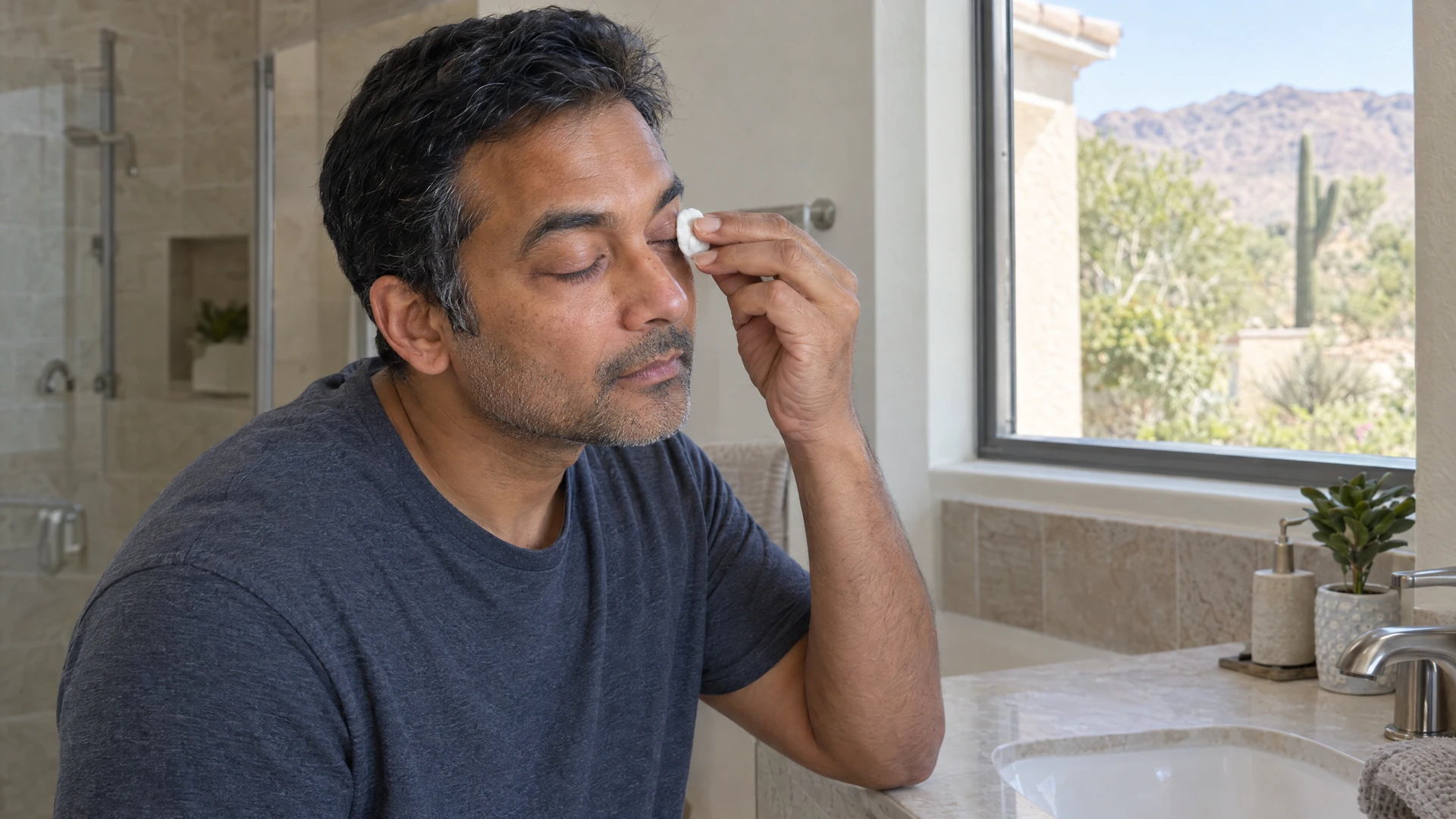
TLDR: Blepharitis is eyelid inflammation that leaves your lids itchy, crusty or burning. Gentle daily eyelid hygiene helps control symptoms, while persistent inflammation needs an exam to identify its cause and guide prescription care.
Answer: Blepharitis affects the lash line, the inner eyelid edge or both, causing crusts and irritation around your eyes. Bacteria, skin conditions, poorly working oil glands and Demodex mites are possible contributors. For adults in Las Vegas, care starts with identifying the type, then choosing a lid-cleaning routine and any prescription treatment your findings require.
You notice flakes before breakfast. Your eyelids burn while you get ready for work in Summerlin, and washing your face has not settled the problem. As an optometrist, I want you to understand what those changes mean, and book an exam before you buy another bottle of eye drops.
I reviewed 88 primary sources across five research lenses for this guide, and blepharitis often needs ongoing care to keep symptoms under control. Your lids also matter to dry eye, so I consider them when planning dry eye treatment. My dry eye care page explains the broader options, while this guide focuses on the inflamed eyelid itself.
Where Does Blepharitis Start?
Where the crust sits tells me where to start. According to the National Eye Institute, anterior blepharitis affects your lash line, posterior blepharitis affects the inner lid edge, and both types sometimes occur together. Crusts on waking, itching and burning belong to the symptom picture.
| Type | Where It Happens | Common Contributors |
|---|---|---|
| Anterior blepharitis | Outer lid edge where lashes attach | Skin bacteria and dandruff from the scalp or eyebrows |
| Posterior blepharitis | Inner lid edge beside the eye | Clogged oil glands, with rosacea or scalp dandruff as contributors |
| Both types together | Outer and inner lid edges | Overlapping causes that need attention in the same care plan |
Posterior blepharitis often travels with meibomian gland dysfunction, but the TFOS MGD Workshop says the two terms are not interchangeable, so your exam checks both.
Your lid symptoms belong in the same conversation as dryness. Blepharitis is associated with dry eye, so mention both the irritated lid edge and how the eye itself feels. For a closer look at gland function and the tear film, read my guide to meibomian gland dysfunction. Include both concerns in your eye exam, even when the flakes seem more obvious than the dryness.
Why Are Your Lids Inflamed?
Your scalp and skin hold clues your lids cannot show alone. Your scalp dandruff, facial rosacea, oily skin or allergies affecting the lashes are useful clues to the cause. Mention changes in these areas alongside your eyelid symptoms, including what you already use on your skin.
Demodex deserves a careful look. A review in Cornea describes sleeve-like debris at the lash base as a clue to Demodex blepharitis, microscopic confirmation of suspected cases, and mites in people with and without symptoms. That means a mite finding alone does not explain your discomfort.
Persistent symptoms call for another look at the cause. Tell me when your current routine has stopped helping, or when it never made a difference. Bring your treatment history to the visit, including what helped, what stung and what you stopped using.
I prefer a clear cause over a crowded bathroom shelf. You should know why each part of your routine belongs there. A product chosen for a different eyelid problem adds work without answering why your own lids stay inflamed.
Does Eyelid Hygiene Help Blepharitis?
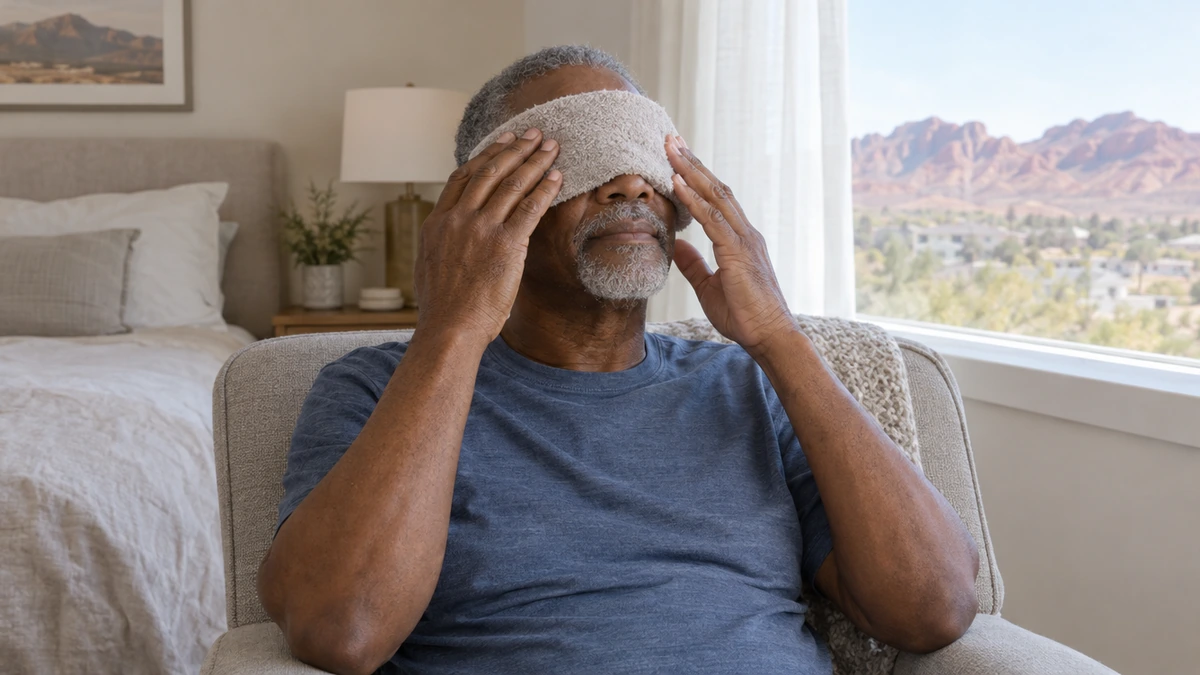
Gentle cleaning aims to ease crusting and discomfort. A Cochrane review, with searches ending in February 2012, found possible symptom relief from lid hygiene but no strong evidence of lasting elimination from the treatments studied. For you, that supports a practical goal: manage discomfort and crusting while checking whether the plan fits the cause.
A clear routine gives you steps to follow. Warm compresses and eyelid cleansing are basic parts of blepharitis care, but more products do not make the instructions easier to follow. My dry eye treatment guide covers the detailed warm-compress and cleaning methods.
- Write down your current lid-care routine, including the cleanser, compress and any drops.
- Bring the routine to your exam so we match it to the cause of your symptoms.
- Follow the agreed method and record whether crusting, itching or burning changes.
- At your follow-up, explain which symptoms remain and which steps are hard to follow.
Make room for the routine in your actual day. After a hospital shift and the drive home on the 215, you need more than a vague instruction to clean your lids. Before you leave the visit, make sure you know what to use, where to use it and which changes warrant a call.
When Does Blepharitis Need Prescription Care?
Prescription care depends on the cause. Antibiotic drops, ointments or pills are options for bacterial blepharitis, while steroid drops are sometimes used to control inflammation. Your symptoms alone do not select the medicine, and treatment also needs to address any contributing skin condition.
A steroid prescription includes follow-up. The American Academy of Ophthalmology recommends a recheck within a few weeks, including eye pressure measurement, when steroid treatment is prescribed. Keep that appointment even when your lids feel better.
Your skin history helps guide treatment, too. When rosacea or dandruff drives your blepharitis, treating the skin condition helps address that contributor. A plan focused only on the lashes leaves that part of the history unexplored.
Put your questions beside the prescription. What problem is the medicine treating, how should you use it, and what happens at the recheck? Clear instructions are part of good eye care, especially when the plan includes both lid cleaning and medication.
Why Does Blepharitis Keep Coming Back?

Blepharitis is often chronic. Your symptoms might settle while the tendency toward lid inflammation remains, which is why daily cleaning often becomes an ongoing habit. Judge the plan by symptom control and the findings at follow-up, rather than a promise of permanent disappearance.
A routine you keep beats a perfect routine you skip. Your plan should fit the morning you have, with instructions you remember when you are tired. Say when a step feels confusing, uncomfortable or hard to fit around work so we have something specific to discuss.
A calm week is good news, not a finish line. So is a flare after a stretch of calmer lids, especially when you have kept to the agreed routine. Note the change and bring it to the next discussion about your plan.
Crusts back after a calm stretch? Bring me that detail. Your notes about crusting, burning and the treatments used help keep the conversation focused. Repeating the same purchase without reviewing the cause leaves the most useful question unanswered: what needs to change in your care?
Which Eyelid Changes Need Care Right Away?
Contact an eye care provider right away for red or painful eyes, flaking, discharge, or a sore on your eye or eyelid, as MedlinePlus advises. An inflamed eyelid lesion that looks suspicious for cancer needs a specialist, the AAO guideline cited above says, and I refer you to one when your lid needs it. Describe the symptoms when you call so the team knows what has changed.
Keep your eye health ahead of the label. A previous blepharitis diagnosis does not explain every new eye problem. My guide to when to seek dry eye care explains the broader warning signs and referral decisions.
How I Approach Your Eyelid Concerns at Vision by Amel
Your history helps me match eyelid care to the problem. At Vision by Amel, my evaluation and your plan follow the history and digital diagnostic steps in the exam. For eyelid concerns, bring the names of your drops and cleansers, any skin diagnoses and a clear account of how the symptoms have changed.
Depending on your eyes, my plans include eyelid hygiene, warm compresses, care for blepharitis and meibomian gland dysfunction, or targeted prescription eye drops including anti-inflammatory medication. Each part of your plan needs a clear purpose. You should leave knowing its purpose and the next step.
My office sits in Downtown Summerlin at Festival Plaza, 2010 Festival Plaza Dr, Suite 195. Book online or call my team at (702) 858-4362, with no referral needed for an eye exam. Visit the eye exams page to prepare for your visit.
Frequently Asked Questions About Blepharitis
Is Blepharitis Something I Pass to My Family?
Blepharitis itself is not contagious. You do not pass the condition to your family through ordinary contact. Its relationship to skin bacteria does not make it a contagious eye infection.
Are My Repeated Eyelid Bumps Related?
Styes and chalazia are among the problems associated with blepharitis. Your recurring bumps belong in the history even when the itching is what prompted your visit. Mention where they appear and whether the same area keeps bothering you.
Should I Use Baby Shampoo on My Eyelids?
The AAO EyeSmart guide describes baby shampoo diluted in warm water and gentle cleaning at the lash base as one lid-hygiene method. That is a specific diluted method, rather than undiluted shampoo applied to your eyes. Review the cleaning method with me so you understand what belongs in your routine.
Is Tea Tree Oil a Good Home Treatment?
Do not start tea tree oil on your eyelids without my advice. A Cochrane tea tree oil review found uncertain short-term effectiveness for Demodex blepharitis and noted the risk of eye irritation. An online recipe does not establish a suitable concentration or method for your eyes.
Will Blepharitis Damage My Eyes Permanently?
Blepharitis usually causes no lasting eye damage. In severe cases, blepharitis can damage the cornea, the clear front surface of your eye, so persistent or changing symptoms need evaluation. Keep the distinction in mind: an ongoing condition still needs follow-up when its symptoms change.
Book My Eye Exam Call (702) 858-4362
Like this article? Add Vision by Amel as a preferred source, and you are more likely to see our articles in Google’s Top Stories.
