
Medications That Can Cause Dry Eye, and What to Do About It
TLDR: Reviewing medications that cause dry eye starts with your full medicine list, including allergy tablets and eye drops. Never stop or change a prescribed medicine without your prescriber, and bring the list to an eye appointment so we address dryness alongside your other health needs.
Answer: Antihistamines, decongestants, antidepressants, some blood pressure medicines, isotretinoin and hormone therapy are linked to dry eye. Your medicine is a clue, not a diagnosis. In Las Vegas, an eye exam helps identify contributing factors and guide treatment while your prescriber decides whether a prescription needs changing.
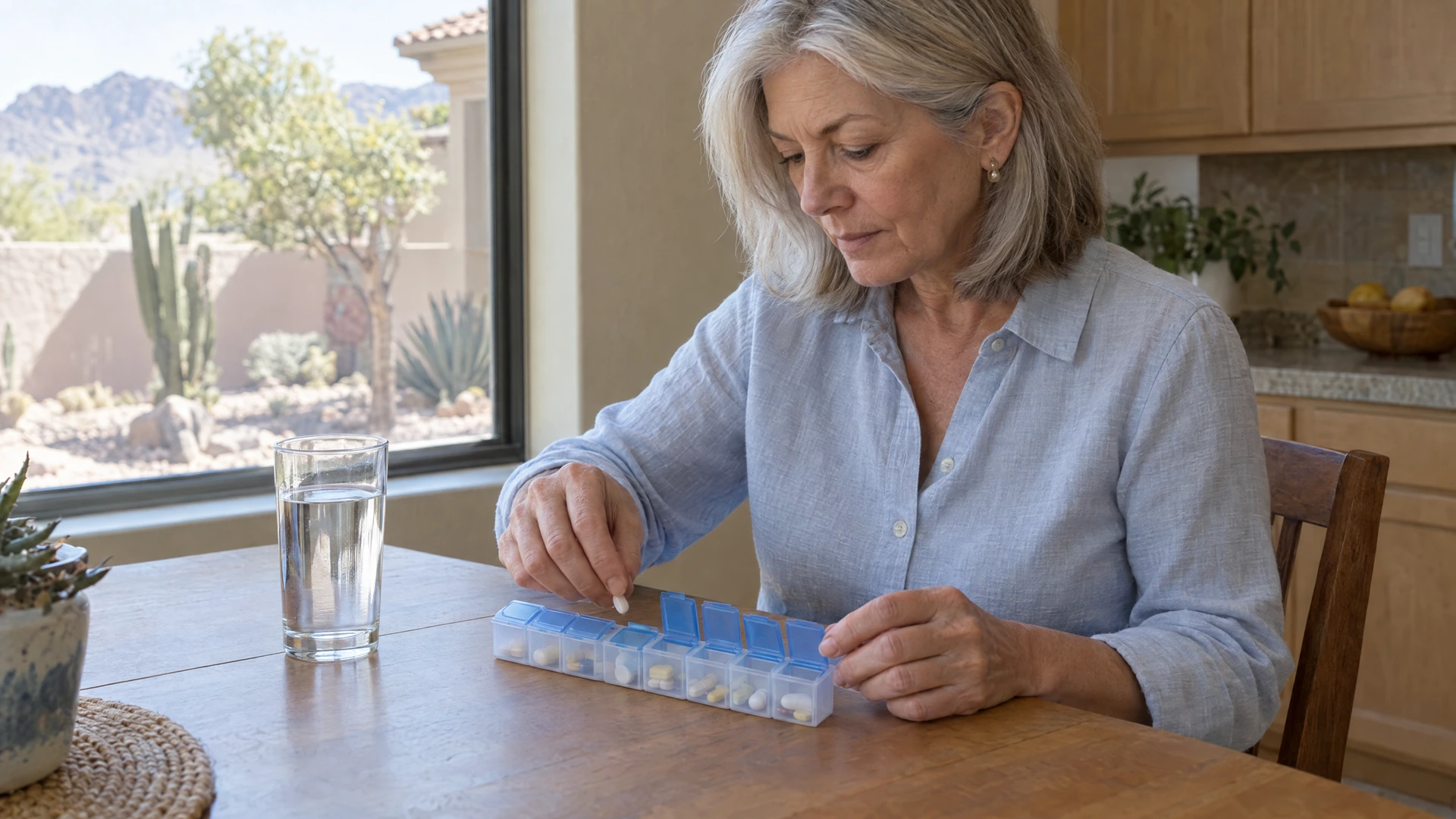
You fill the pill organizer at your Summerlin kitchen table. Then you reach past your breakfast cup for eye drops. When dryness appears after a new prescription, bring that timing to me, your optometrist, along with the medicine name. My priority is an eye care plan you understand, with a clear next step for both your eyes and your prescriptions.
I reviewed 88 primary sources across five research lenses for this guide, and some medicines for allergies, depression and high blood pressure are linked to dry eye. The National Eye Institute identifies these medicine groups among possible causes of your symptoms. My dry eye treatment approach starts with the whole picture, as outlined on our dry eye care page. Bring your questions, including the ones you have hesitated to ask.
Which Medications That Cause Dry Eye Belong on Your List?
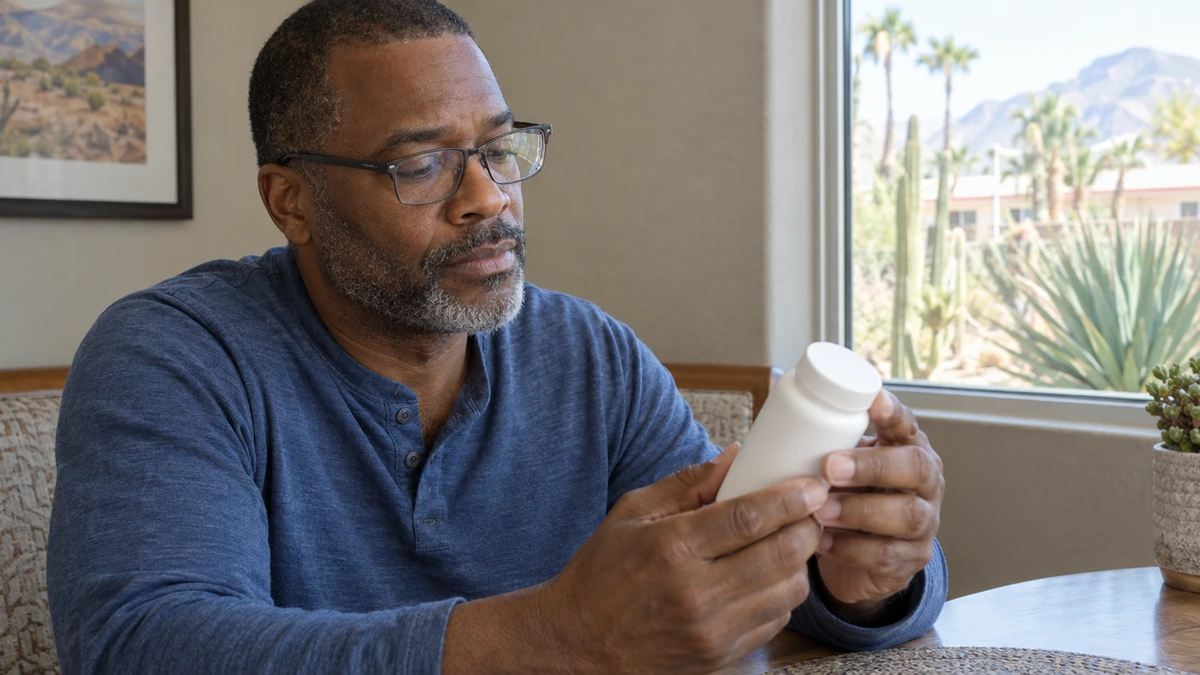
Names beat categories. “Blood pressure pill” tells me little. The name on the bottle tells me plenty. The 2017 TFOS DEWS II report links the groups below to dry eye through effects on your tears or eyelid oil glands. These links describe possible contributors, with effects differing by medicine and person.
| Medicine Group | Link to Dry Eye | What to Bring Up |
|---|---|---|
| Antihistamines | Some have drying effects, and oral use is associated with dry eye. | Your allergy tablets, including occasional use. |
| Decongestants | Included among medicine groups with drying effects. | Cold remedies and products with several ingredients. |
| Antidepressants and anti-anxiety medicines | Use is associated with dry eye in observational research. | The exact prescription and any recent changes. |
| Some blood pressure medicines | Diuretics and beta-blockers have links to dry eye. | The medicine name, rather than its purpose alone. |
| Isotretinoin | Linked to changes in eyelid oil glands and tear film stability. | Current or past acne treatment and when symptoms began. |
| Hormone therapy | Menopausal hormone therapy, especially estrogen alone, is associated with dry eye. | The type of hormone therapy you use. |
Use this table to prepare. Bring the actual package when you do not know which group a medicine belongs to. Include treatments prescribed elsewhere, even when their purpose seems unrelated to your eyes. I would rather review an extra bottle than have you leave out a medicine because it seemed irrelevant.
How Does Dry Eye Care Work Around Your Medicines?

You keep your treatment. We work on your comfort. Depending on your eyes, my plan includes artificial tears, targeted prescription eye drops for inflammation, warm compresses, eyelid hygiene or punctal plugs to conserve tears. Care for meibomian gland dysfunction and blepharitis also belongs in the discussion when those conditions are present. The choice follows your evaluation.
Your home plan needs clear instructions. Before you leave, ask which drops to use, how to use them and what should prompt a call. My guide to dry eye treatment in Las Vegas explains the treatment options in more detail. A drop schedule needs to fit your day, whether you are heading to a shift off the 215 or caring for a parent at home. Tell me which step feels difficult so we address it before you leave.
Write down whether your concern is discomfort, difficulty using the drops or uncertainty about the instructions. Keep prescribed medicines on their assigned schedule while you seek advice about changes. I want your eye treatment to fit into a plan you understand, rather than become another bottle you feel unsure about.
What Should You Bring to Your Eye Appointment?

A complete list saves you guesswork at the visit. Include daily prescriptions, occasional tablets and everything you put in your eyes. A bottle tucked into a travel bag still belongs on that list, even when you rarely use it. Gather the containers before your drive to Festival Plaza, while the pill organizer and bathroom shelf are still within reach.
- Record each medicine’s name, strength and schedule exactly as shown on its container. Add the reason you take it and the prescriber’s name.
- Include nonprescription cold and allergy remedies, vitamins, supplements and eye drops. Record how often you actually use each product.
- Note when dryness began and any prescription starts or dose changes near that time. Mark uncertain dates as approximate.
- Describe a difficult moment in your day, such as reading at the kitchen table or wearing contacts through a shift. Explain what you tried afterward.
- Bring the list to both visits. Use the same version with me and your prescriber, then update it after an agreed change.
Missing a detail is easy. A partner who fills your pill organizer might know the names better than you do. That person or the containers help fill the gaps, along with recently stopped medicines and their stop dates. You do not need to decide which item matters before you arrive.
Specific timing gives your concern a clear focus. “My eyes started burning after this prescription changed” gives us more to discuss than “my eyes feel bad.” Describe the timing without deciding the cause yourself. Save the main concern at the top of your list so it gets discussed before the visit ends.
What Should You Ask About Medications That Cause Dry Eye?

Never stop or change your prescribed medicine without your prescriber. MedlinePlus advises discussing side effects before stopping, with dose adjustments or a different medicine among the options your prescriber considers. Start the conversation with the symptom, the medicine and the timing. Your request is simple: help with the discomfort, with no break in your treatment.
You do not need to propose a replacement. Ask whether the medicine is a plausible contributor and whether an alternative makes sense for your health needs. Explain any eye treatment already prescribed so the discussion includes both plans. Leave with clear instructions about what to continue and whom to contact with questions.
Keep your mental health care in that conversation. Finding an antidepressant in the table is a reason to discuss symptoms, not to experiment with missed doses. The same instruction applies to blood pressure treatment and hormone therapy. Your prescriber should direct any change.
Use a short note during the call. Include the medicine name, when symptoms appeared, what your eyes feel like and what you need clarified. Record the advice in your own words and read it back when anything sounds uncertain. One clear call to your prescriber beats a month of guessing.
When Should You Get Help Right Away?
A red or painful eye comes before any medication question: contact an eye care provider right away, as MedlinePlus advises. Do not wait for a routine medication review to report those symptoms. Tell the person taking your call about the eye symptoms first, then the medicine you suspect.
Your suspected side effect is still a symptom that needs an exam. My guide to when dry eyes need an appointment covers the broader signs and referral discussion.
How I Approach Your Medication Questions at Vision by Amel
Your medicine list gives us a clear place to begin your comprehensive eye exam. At Vision by Amel, your visit includes a patient history, digital diagnostics, my evaluation and your plan. Use the history discussion to raise changes in prescriptions and the discomfort you want addressed. The eye exam page explains the visit before you arrive.
Your eye health plan should make sense at home. Your medicines stay in your prescriber’s hands, and I build your eye plan around them. With your current drop bottles in front of us, we discuss the products you use at the kitchen counter or keep in your work bag. My priority is a workable eye plan with prescription changes directed by the prescriber responsible for that medicine.
You will find Vision by Amel in Downtown Summerlin at Festival Plaza, 2010 Festival Plaza Dr, Suite 195, Las Vegas, NV 89135. No referral is needed for an eye exam. Book online or call (702) 858-4362, and mention the medication question when arranging your visit. Tuck your medicine list beside your keys before you leave home.
Frequently Asked Questions About Medications and Dry Eye
Why Do My Allergy Tablets Help Itching but Leave My Eyes Dry?
Both effects are possible with oral antihistamines, according to the American Academy of Ophthalmology. Relief from itching does not tell you whether the treatment suits your dryness. Describe each symptom separately when we discuss your allergy medicines.
Will My Eyes Return to Normal After Isotretinoin?
A small uncontrolled study in Ophthalmology and Therapy found gland changes judged reversible, but symptoms remained above baseline a month after treatment stopped. That finding does not establish a recovery date for your eyes. Arrange an eye assessment for dryness during treatment or symptoms persisting afterward.
Do My Glaucoma Drops Belong on the List Too?
Yes, include their names and schedules because the 2017 TFOS DEWS II report describes irritation of the ocular surface and dry eye linked to topical medicines and their preservatives. Keep using your glaucoma prescription as directed while you raise the concern with its prescriber. Include which drop stings and whether the sensation continues after you use it.
Does a Medicine Missing From This Table Need Mentioning?
Yes, the AAO Preferred Practice Pattern includes additional medicines in its history checklist, such as heart rhythm drugs and chemotherapy. Your list should be complete even when this article does not name the treatment. Include the prescribing team’s contact details with an unfamiliar medication.
What Should I Do When Different Offices Give Me Different Instructions?
Request clarification before changing your prescription. Write down each instruction and contact the prescriber responsible for the medicine, explaining where the advice differs. At your next eye visit, share the clarified plan so we are discussing the same schedule.
Book My Eye Exam Call (702) 858-4362
Like this article? Add Vision by Amel as a preferred source, and you are more likely to see our articles in Google’s Top Stories.
