Tag: meibomian gland dysfunction

  • Blepharitis: Why Your Eyelids Itch, Crust and Burn
    Blepharitis: Why Your Eyelids Itch, Crust and Burn

    Blepharitis: Why Your Eyelids Itch, Crust and Burn

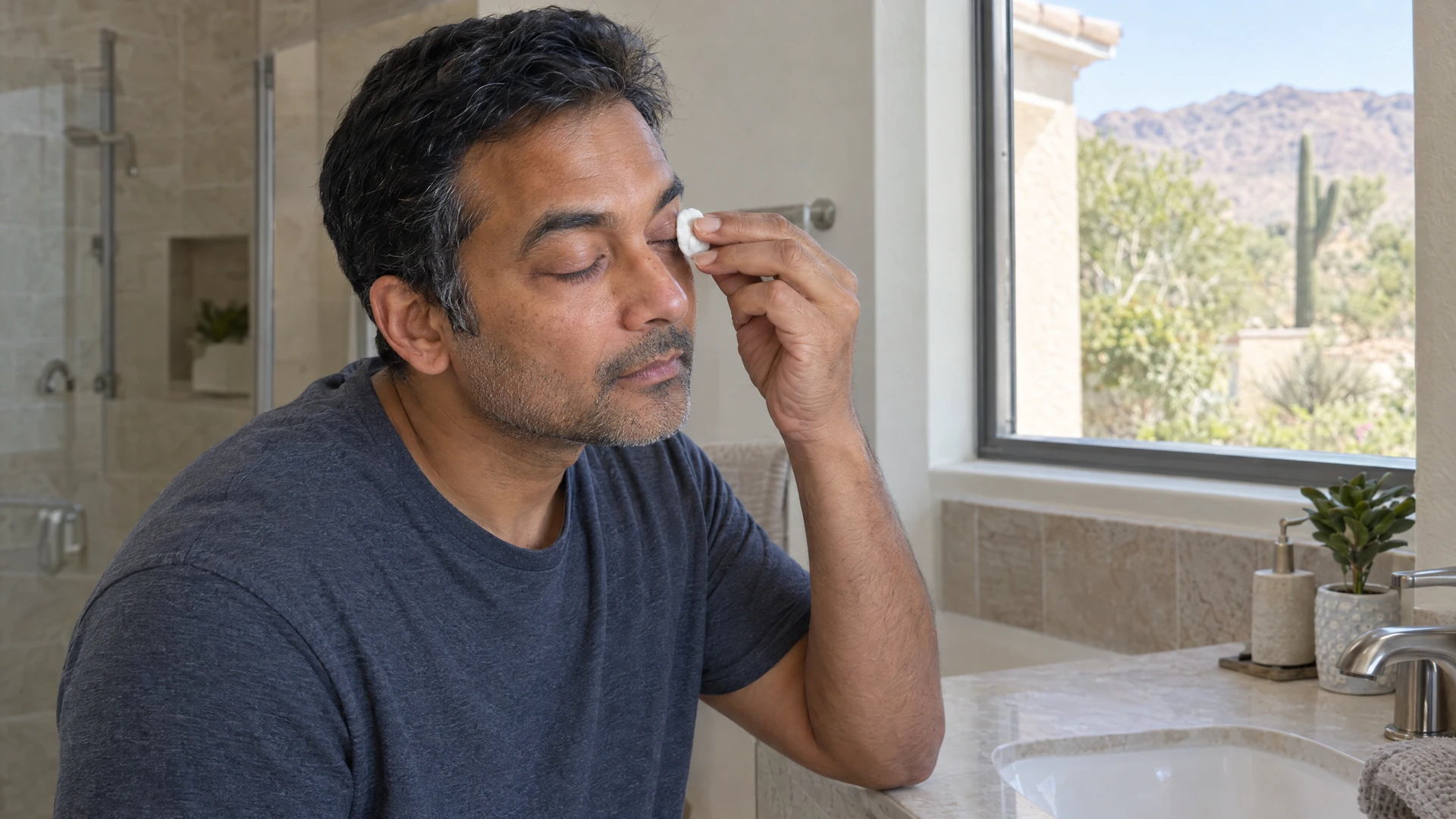
    South Asian man gently cleaning his eyelid with a soft pad for blepharitis care

    TLDR: Blepharitis is eyelid inflammation that leaves your lids itchy, crusty or burning. Gentle daily eyelid hygiene helps control symptoms, while persistent inflammation needs an exam to identify its cause and guide prescription care.

    Answer: Blepharitis affects the lash line, the inner eyelid edge or both, causing crusts and irritation around your eyes. Bacteria, skin conditions, poorly working oil glands and Demodex mites are possible contributors. For adults in Las Vegas, care starts with identifying the type, then choosing a lid-cleaning routine and any prescription treatment your findings require.

    You notice flakes before breakfast. Your eyelids burn while you get ready for work in Summerlin, and washing your face has not settled the problem. As an optometrist, I want you to understand what those changes mean, and book an exam before you buy another bottle of eye drops.

    I reviewed 88 primary sources across five research lenses for this guide, and blepharitis often needs ongoing care to keep symptoms under control. Your lids also matter to dry eye, so I consider them when planning dry eye treatment. My dry eye care page explains the broader options, while this guide focuses on the inflamed eyelid itself.

    Where Does Blepharitis Start?
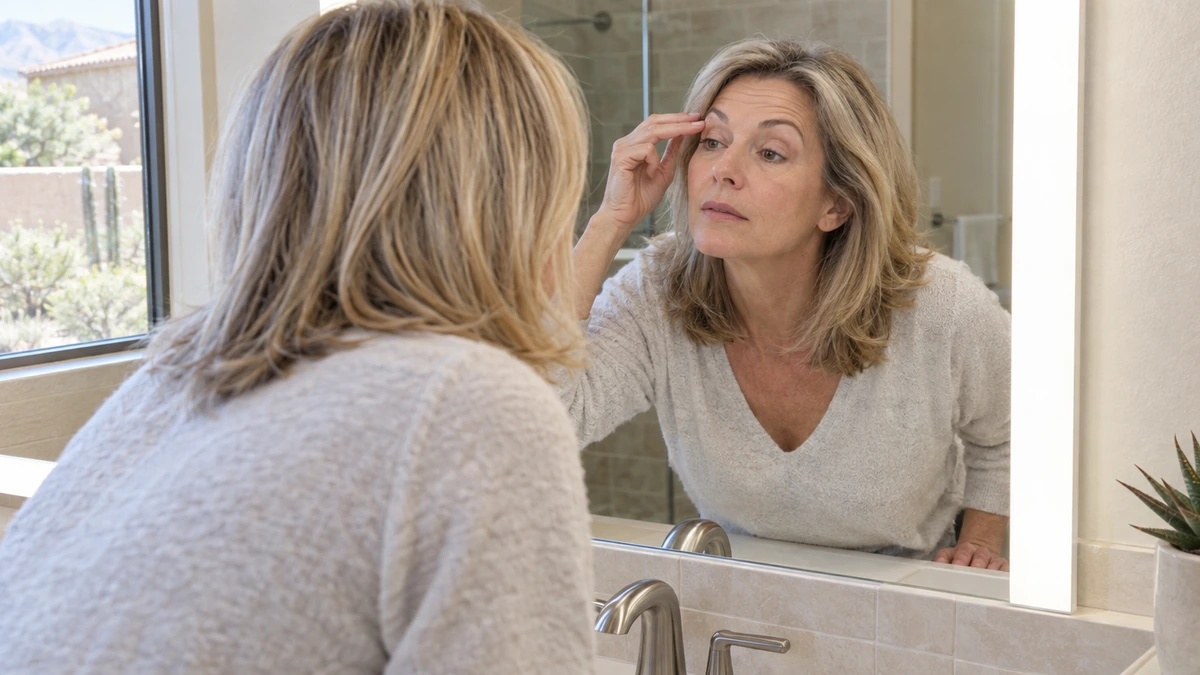
    White woman looking closely at her eyelids in a lighted bathroom mirror, illustrating blepharitis symptoms
    The location of eyelid inflammation matters.

    Where the crust sits tells me where to start. According to the National Eye Institute, anterior blepharitis affects your lash line, posterior blepharitis affects the inner lid edge, and both types sometimes occur together. Crusts on waking, itching and burning belong to the symptom picture.

    TypeWhere It HappensCommon Contributors
    Anterior blepharitisOuter lid edge where lashes attachSkin bacteria and dandruff from the scalp or eyebrows
    Posterior blepharitisInner lid edge beside the eyeClogged oil glands, with rosacea or scalp dandruff as contributors
    Both types togetherOuter and inner lid edgesOverlapping causes that need attention in the same care plan

    Posterior blepharitis often travels with meibomian gland dysfunction, but the TFOS MGD Workshop says the two terms are not interchangeable, so your exam checks both.

    Your lid symptoms belong in the same conversation as dryness. Blepharitis is associated with dry eye, so mention both the irritated lid edge and how the eye itself feels. For a closer look at gland function and the tear film, read my guide to meibomian gland dysfunction. Include both concerns in your eye exam, even when the flakes seem more obvious than the dryness.

    Why Are Your Lids Inflamed?

    Your scalp and skin hold clues your lids cannot show alone. Your scalp dandruff, facial rosacea, oily skin or allergies affecting the lashes are useful clues to the cause. Mention changes in these areas alongside your eyelid symptoms, including what you already use on your skin.

    Demodex deserves a careful look. A review in Cornea describes sleeve-like debris at the lash base as a clue to Demodex blepharitis, microscopic confirmation of suspected cases, and mites in people with and without symptoms. That means a mite finding alone does not explain your discomfort.

    Persistent symptoms call for another look at the cause. Tell me when your current routine has stopped helping, or when it never made a difference. Bring your treatment history to the visit, including what helped, what stung and what you stopped using.

    I prefer a clear cause over a crowded bathroom shelf. You should know why each part of your routine belongs there. A product chosen for a different eyelid problem adds work without answering why your own lids stay inflamed.

    Does Eyelid Hygiene Help Blepharitis?
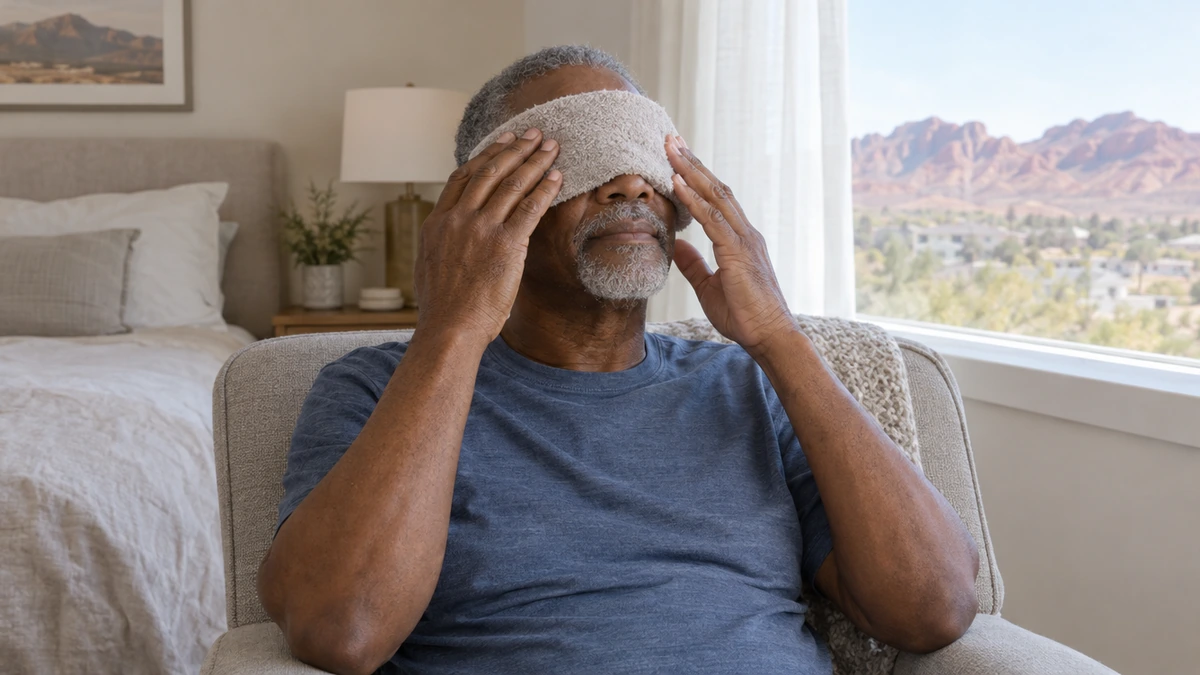
    Black man holding a warm washcloth over his closed eyes as part of blepharitis care
    Warm compresses are part of an eyelid hygiene routine.

    Gentle cleaning aims to ease crusting and discomfort. A Cochrane review, with searches ending in February 2012, found possible symptom relief from lid hygiene but no strong evidence of lasting elimination from the treatments studied. For you, that supports a practical goal: manage discomfort and crusting while checking whether the plan fits the cause.

    A clear routine gives you steps to follow. Warm compresses and eyelid cleansing are basic parts of blepharitis care, but more products do not make the instructions easier to follow. My dry eye treatment guide covers the detailed warm-compress and cleaning methods.

    1. Write down your current lid-care routine, including the cleanser, compress and any drops.
    2. Bring the routine to your exam so we match it to the cause of your symptoms.
    3. Follow the agreed method and record whether crusting, itching or burning changes.
    4. At your follow-up, explain which symptoms remain and which steps are hard to follow.

    Make room for the routine in your actual day. After a hospital shift and the drive home on the 215, you need more than a vague instruction to clean your lids. Before you leave the visit, make sure you know what to use, where to use it and which changes warrant a call.

    When Does Blepharitis Need Prescription Care?
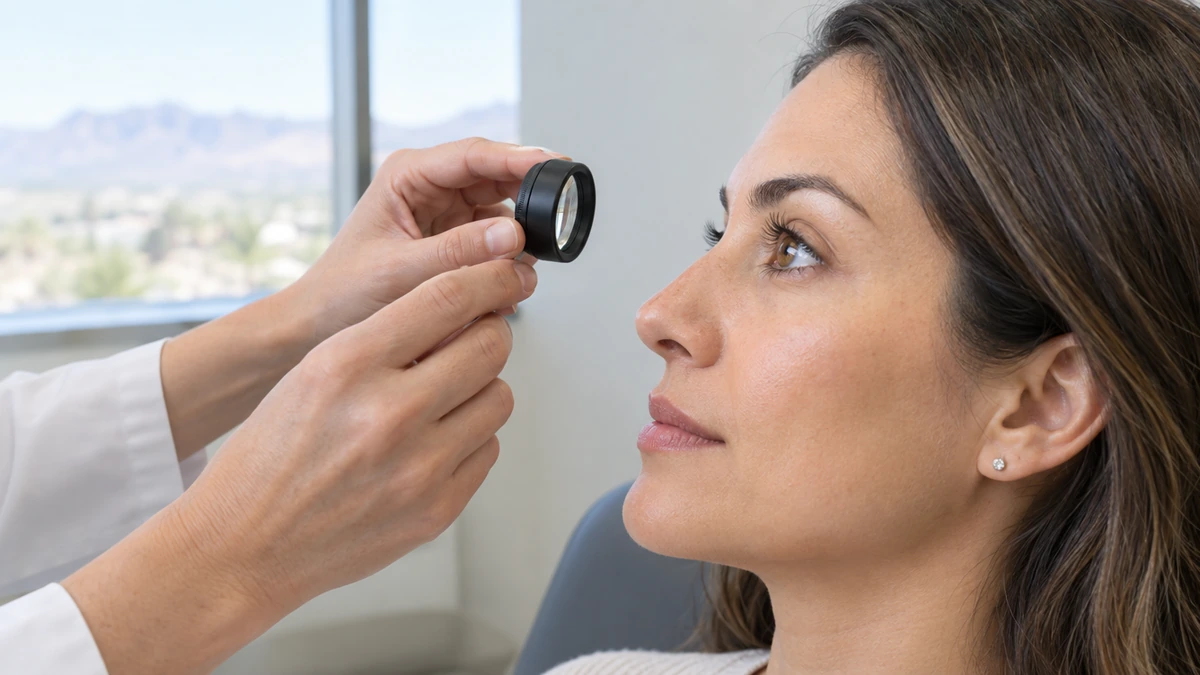
    Eye doctor hands holding a small magnifier near a woman’s eyelid during a blepharitis examination
    An exam helps guide care for eyelid inflammation.

    Prescription care depends on the cause. Antibiotic drops, ointments or pills are options for bacterial blepharitis, while steroid drops are sometimes used to control inflammation. Your symptoms alone do not select the medicine, and treatment also needs to address any contributing skin condition.

    A steroid prescription includes follow-up. The American Academy of Ophthalmology recommends a recheck within a few weeks, including eye pressure measurement, when steroid treatment is prescribed. Keep that appointment even when your lids feel better.

    Your skin history helps guide treatment, too. When rosacea or dandruff drives your blepharitis, treating the skin condition helps address that contributor. A plan focused only on the lashes leaves that part of the history unexplored.

    Put your questions beside the prescription. What problem is the medicine treating, how should you use it, and what happens at the recheck? Clear instructions are part of good eye care, especially when the plan includes both lid cleaning and medication.

    Why Does Blepharitis Keep Coming Back?

    East Asian woman calmly washing her face at a sink, illustrating a daily routine alongside blepharitis care
    Ongoing blepharitis care belongs in a manageable daily routine.

    Blepharitis is often chronic. Your symptoms might settle while the tendency toward lid inflammation remains, which is why daily cleaning often becomes an ongoing habit. Judge the plan by symptom control and the findings at follow-up, rather than a promise of permanent disappearance.

    A routine you keep beats a perfect routine you skip. Your plan should fit the morning you have, with instructions you remember when you are tired. Say when a step feels confusing, uncomfortable or hard to fit around work so we have something specific to discuss.

    A calm week is good news, not a finish line. So is a flare after a stretch of calmer lids, especially when you have kept to the agreed routine. Note the change and bring it to the next discussion about your plan.

    Crusts back after a calm stretch? Bring me that detail. Your notes about crusting, burning and the treatments used help keep the conversation focused. Repeating the same purchase without reviewing the cause leaves the most useful question unanswered: what needs to change in your care?

    Which Eyelid Changes Need Care Right Away?

    Contact an eye care provider right away for red or painful eyes, flaking, discharge, or a sore on your eye or eyelid, as MedlinePlus advises. An inflamed eyelid lesion that looks suspicious for cancer needs a specialist, the AAO guideline cited above says, and I refer you to one when your lid needs it. Describe the symptoms when you call so the team knows what has changed.

    Keep your eye health ahead of the label. A previous blepharitis diagnosis does not explain every new eye problem. My guide to when to seek dry eye care explains the broader warning signs and referral decisions.

    How I Approach Your Eyelid Concerns at Vision by Amel

    Your history helps me match eyelid care to the problem. At Vision by Amel, my evaluation and your plan follow the history and digital diagnostic steps in the exam. For eyelid concerns, bring the names of your drops and cleansers, any skin diagnoses and a clear account of how the symptoms have changed.

    Depending on your eyes, my plans include eyelid hygiene, warm compresses, care for blepharitis and meibomian gland dysfunction, or targeted prescription eye drops including anti-inflammatory medication. Each part of your plan needs a clear purpose. You should leave knowing its purpose and the next step.

    My office sits in Downtown Summerlin at Festival Plaza, 2010 Festival Plaza Dr, Suite 195. Book online or call my team at (702) 858-4362, with no referral needed for an eye exam. Visit the eye exams page to prepare for your visit.

    Frequently Asked Questions About Blepharitis

    Is Blepharitis Something I Pass to My Family?

    Blepharitis itself is not contagious. You do not pass the condition to your family through ordinary contact. Its relationship to skin bacteria does not make it a contagious eye infection.

    Are My Repeated Eyelid Bumps Related?

    Styes and chalazia are among the problems associated with blepharitis. Your recurring bumps belong in the history even when the itching is what prompted your visit. Mention where they appear and whether the same area keeps bothering you.

    Should I Use Baby Shampoo on My Eyelids?

    The AAO EyeSmart guide describes baby shampoo diluted in warm water and gentle cleaning at the lash base as one lid-hygiene method. That is a specific diluted method, rather than undiluted shampoo applied to your eyes. Review the cleaning method with me so you understand what belongs in your routine.

    Is Tea Tree Oil a Good Home Treatment?

    Do not start tea tree oil on your eyelids without my advice. A Cochrane tea tree oil review found uncertain short-term effectiveness for Demodex blepharitis and noted the risk of eye irritation. An online recipe does not establish a suitable concentration or method for your eyes.

    Will Blepharitis Damage My Eyes Permanently?

    Blepharitis usually causes no lasting eye damage. In severe cases, blepharitis can damage the cornea, the clear front surface of your eye, so persistent or changing symptoms need evaluation. Keep the distinction in mind: an ongoing condition still needs follow-up when its symptoms change.

    Book My Eye Exam Call (702) 858-4362

    Like this article? Add Vision by Amel as a preferred source, and you are more likely to see our articles in Google’s Top Stories.


    Add as a preferred source on Google

  • Meibomian Gland Dysfunction: The Oil Problem Behind Dry Eye

    Meibomian Gland Dysfunction: The Oil Problem Behind Dry Eye

    Meibomian Gland Dysfunction: The Oil Problem Behind Dry Eye

    White woman holding a warm mask over closed eyes for meibomian gland dysfunction care

    TLDR: Meibomian gland dysfunction affects the oil glands in your eyelids and contributes to dry eye by disrupting the tear film. An eye exam helps identify the gland problem, while gentle home care and selected prescription treatment address your symptoms.

    Answer: Meibomian gland dysfunction, or MGD, is a chronic problem involving blocked eyelid oil glands, altered oil, or both. Your tears need this oil to limit evaporation, especially in dry Las Vegas air. Treatment focuses on gland function, eyelid care and inflammation, with an exam guiding which steps fit your eyes.

    You finish a shift under office air conditioning with gritty eyes, then reach for another bottle of drops. The missing question is simple: what is happening at your eyelids? Understanding their oil glands gives you a clearer reason for each step in dry eye treatment, beyond choosing another drop.

    I reviewed 88 primary sources across five research lenses for this guide, and oil-gland dysfunction involves more than blocked openings. The TFOS MGD Workshop defines MGD as a chronic, widespread gland abnormality involving blocked outlets, changed oil quality or amount, or a combination. For you, this explains why my approach to dry eye care starts with identifying the problem.

    What Is Meibomian Gland Dysfunction?

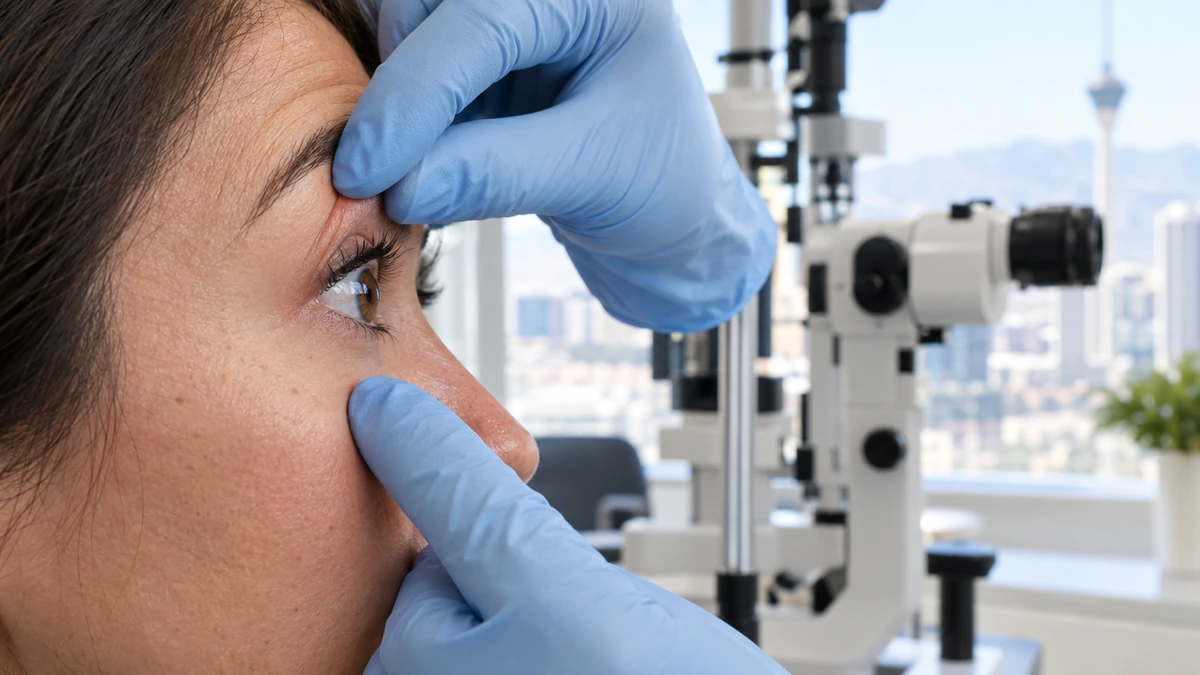
    Gloved hands gently lifting an upper eyelid near a slit lamp during a meibomian gland dysfunction exam
    The eyelid glands are part of an MGD evaluation.

    Your eyelids contain meibomian glands whose oil contributes to the tear film, the coating over the front of your eye. When gland function changes, the tear film loses part of its protection against evaporation. Thin oil, fast evaporation, burning eyes. That is the chain MGD sets off.

    You might notice burning, itching, a sandy feeling, watering or blur that comes and goes, all symptoms listed by AAPOS. Early MGD sometimes produces no noticeable symptoms. The useful detail is whether your discomfort interrupts work or returns after drops. Your description matters even when the problem comes and goes.

    MGD is common, but the numbers need context: the TFOS epidemiology report found published estimates from 3.5% to almost 70%, depending on the population and definition. Those figures do not establish your risk in Summerlin. The useful question is whether your own glands are functioning well.

    You might also hear the term blepharitis during an eyelid evaluation. MGD describes gland dysfunction, while posterior blepharitis describes inflammation along the back edge of the lid. The problems often occur together, but the terms mean different things. That distinction shapes how you read your treatment plan.

    How Is Meibomian Gland Dysfunction Found?

    Your symptoms start the evaluation. An optometrist also needs to assess the lids, gland secretions and tear film to understand what is happening at the ocular surface. For a comprehensive eye exam, bring the names of your drops and describe what changes after you use them. Include what remains uncomfortable.

    The 2017 TFOS diagnostic report explains why oil quantity, quality and ease of expression matter to your evaluation, and why gland imaging alone is insufficient for diagnosis. Gentle pressure helps assess the secretions. A picture adds information, but the findings need to fit together. You should leave understanding what each finding means for your plan.

    Part of the EvaluationWhat It Helps EstablishWhat to Discuss
    Symptom historyYour discomfort and its patternWhich tasks bring symptoms to your notice
    Gland secretion assessmentThe amount, appearance and ease of oil expressionWhether the findings support MGD
    Tear film and surface assessmentTear stability and signs on the eye surfaceHow the findings shape your care
    Gland imaging, when usedStructural information alongside other findingsWhy imaging alone does not settle the diagnosis

    Your exam should explain the next step. You do not need to arrive with a diagnosis selected online. Ask which finding supports MGD and which part of the plan addresses it. A gland problem needs gland care, not a fourth bottle of drops.

    What Does Home Care Do for Your Glands?

    Filipino man gently massaging closed eyelids at a bathroom mirror for meibomian gland dysfunction care
    Keep your eyelid care gentle and follow your plan.

    Warmth softens stubborn gland oil. That is the whole point of a compress. The 2017 TFOS management report includes warm compresses and eyelid hygiene in MGD care, with heat helping soften obstructed secretions in your glands. The best temperature and duration remain unsettled. More heat and harder pressure are poor substitutes for a clear routine.

    1. Review your routine at the exam. Get clear instructions for warmth, duration, cleaning and whether gentle lid massage belongs in your plan.
    2. Use gentle warmth over closed eyes. Follow the instructions for your compress and keep it comfortably warm, never hot.
    3. Keep eyelid cleaning gentle. Follow the method chosen for your lids rather than adding vigorous scrubbing.
    4. Report what happens. Note comfort, irritation and any difficulty keeping up with the routine so your plan stays workable.

    Consistency matters, but expectations matter too. A 2024 Ophthalmology and Therapy review found repeated warm compress use relieved MGD symptoms, describing its role as symptom relief rather than permanent resolution of your gland condition. The studies did not yield a single pooled estimate of benefit. Your response needs follow-up, not a promise.

    Build the routine around your actual day. A quiet stretch after work beats a rushed morning before your commute. Write down any step you find confusing and bring it to your visit. My preference is a simple routine you will follow consistently.

    Why Does Desert Air Matter When Oil Is the Problem?

    Black woman mid-blink at a bright window desk, a workday detail for a meibomian gland dysfunction history
    Your work environment belongs in the symptom history.

    Your eyelid care and your surroundings both matter. Low humidity and moving air increase evaporation and tear instability, as described in the TFOS management report cited above. Picture your desk beside an air vent or the car fan aimed at your face on the 215. Those details belong in your symptom history.

    Make the workday detail specific: gritty eyes at a Summerlin desk beneath the vent, or burning on the drive home. Record where you notice discomfort, then discuss whether the exam points to MGD, another contributor or both. For practical changes around wind and cooling, read why Las Vegas air dries out your eyes. Choose the changes that fit your home, commute and workplace, then note what happens.

    When Does MGD Need Prescription Care?

    Mild MGD and stubborn MGD get different plans. The AAPOS guidance cited above lists artificial tears, warm compresses and selected prescription antibiotic or steroid eye drops, with oral antibiotics among other options. The list describes choices, not a prescription for every person with MGD. Review what each proposed medicine is intended to address in your care.

    Keep the distinction between comfort and gland care clear. When you discuss eye drops, ask whether their role is lubrication or treatment of inflammation, and how they fit with eyelid care. Bring the bottles you already use so the conversation stays specific. Avoid building a plan by collecting products with overlapping purposes.

    You also need a way to review the plan. Record which symptoms remain, what interferes with the routine and what questions arise after you start. The broader Las Vegas dry eye treatment guide explains how treatment options fit together. Use it to prepare questions about your next step.

    When Should You Skip the Compress and Call?

    Skip tonight’s compress and call: red or painful eyes need me or another eye care provider right away, as MedlinePlus directs. Do not wait for the next compress session to decide whether to call. Describe the change when you call so it is clear why you need care.

    Your home routine belongs alongside clear instructions about changes in symptoms. Save my number with your care plan, so you never hunt for it when you are worried. My guide to when to seek dry eye care in Summerlin covers the broader triage questions. Read it before you need it.

    How I Approach Your MGD Care at Vision by Amel

    Latina woman smiling with relaxed eyes on a shaded Summerlin patio, for a meibomian gland dysfunction guide
    Your MGD plan should be clear enough to use at home.

    I am Dr. Amel Youssef, founder of Vision by Amel. My eye care plans include care for MGD and blepharitis, with warm compresses, eyelid hygiene or targeted prescription drops depending on your eyes. Your current routine gives us something concrete to discuss, from the compress you use after work to the drops you reach for before driving home. Your eye health plan should be clear enough to use at home.

    My office sits in Downtown Summerlin at Festival Plaza, 2010 Festival Plaza Dr, Suite 195. Book online or call (702) 858-4362, with no referral needed for an eye exam. My eye exam page explains the visit framework. Your questions about gland function, drops and the steps you struggle to keep up with belong in that visit.

    Frequently Asked Questions About Meibomian Gland Dysfunction

    Can MGD Be Resolved Permanently?

    Plan on long-term care, because the TFOS MGD Workshop defines MGD as a chronic condition. The 2024 review of 20 warm compress studies calls compresses symptom relief, not permanent resolution, so your plan aims at steady control you keep up for the long term.

    How Do I Explain Symptoms That Change During the Day?

    Use a concrete example from your own schedule. Describe what you were doing when discomfort started, whether it interrupted the task and what you tried next. A short account of your morning and evening gives us more to discuss than a label such as mild or severe.

    Is a Hotter Compress Better for MGD?

    No. Hotter is not better: the TFOS management report cited above warns against heating your eyelid skin above 45 °C, because extra heat risks thermal damage. Keep your cloth warm, never hot, and stop if it feels too hot on your skin.

    What If I Struggle to Keep Up With Eyelid Care?

    Tell me what gets in your way, whether it is timing, unclear instructions or an uncomfortable step. Write down which part you complete and which part you skip. That gives us a useful conversation about your routine instead of leaving you with instructions you are not using.

    Why Should I Avoid Rubbing My Eyes After a Compress?

    The TFOS management report warns that rubbing your eye while the cornea is warm risks changing its shape and blurring vision. Gentle eyelid care requires a different approach from rubbing the eye itself. Get the massage instructions clear before adding that step to your routine.

    Book My Eye Exam Call (702) 858-4362

    Like this article? Add Vision by Amel as a preferred source, and you are more likely to see our articles in Google’s Top Stories.
    Add as a preferred source on Google