
Dry Eye After LASIK or Cataract Surgery: What to Expect
TLDR: Your dry eye after LASIK or cataract surgery often improves as you heal, but some symptoms last longer. Follow your surgeon’s recovery plan, address dryness before surgery, and call the surgeon right away for postoperative warning signs.
Answer: Dryness after LASIK or cataract surgery is common because surgery affects the eye’s surface and its nerves. Your recovery needs a plan for drops, follow-up visits and symptoms worth reporting. In Las Vegas, I help you address the tear film before and after surgery through co-management, while your surgeon performs the procedure and directs surgical recovery.
You expected crisp, easy sight. Instead you sit at your kitchen table in Summerlin, recovery sheet beside your coffee, eyes gritty by 8 am. The surgery went well. Your comfort still counts, and it goes on the agenda at your follow-up visit.
Your dry eye history belongs in the conversation before an operation, too. I reviewed 123 primary sources across five research lenses for this guide, and treating the eye’s surface before surgery supports surgical planning. My approach to dry eye care starts with the cause of your symptoms. For the broader range of dry eye treatment options, read my Las Vegas treatment guide.
Why Does Dry Eye After LASIK or Cataract Surgery Happen?
Surgery touches the corneal nerves that help run your tear film. The 2017 TFOS DEWS II report links temporary dryness after LASIK to effects on corneal nerves and describes cataract surgery as a trigger for new or worsened dryness. The cornea is the clear front surface of your eye. Surgery affects more than the part responsible for your glasses prescription.
Start with what changed for you. Did the grit arrive with surgery, or was it already part of your day? Does one eye feel worse than the other? Show me every drop you use, even the bottle you grabbed at the pharmacy, and your recovery plan gets the full picture.
How Long Does Dry Eye After LASIK or Cataract Surgery Last?
You need a useful expectation, not a countdown. Early discomfort, changing vision and persistent dryness describe different parts of recovery. Read the time frames below as patterns from published guidance. Your follow-up examination decides what needs to happen next.
| Procedure | What the Evidence Says | What It Means for You |
|---|---|---|
| LASIK | The American Academy of Ophthalmology says almost everyone has dryness and fluctuating vision right afterward, usually fading within a month, though symptoms sometimes last longer or remain. | Report persistent symptoms at follow-up rather than treating the usual recovery window as a deadline. |
| Cataract surgery | The AAO cataract guide describes some dryness in almost all patients, says the small corneal nerves generally heal in about three months, and says artificial tears without preservatives help mild dryness. | Nerve healing and comfortable vision do not follow an identical schedule for every person. |
Those patterns come with real numbers. In the PROWL studies run by the U.S. Food and Drug Administration, up to 28% of people with no dry eye symptoms before LASIK reported symptoms three months after surgery. That figure counts new symptoms at three months, not permanent dry eye. After cataract surgery, the AAO dry eye guideline reports that about one person in three still has symptoms past the usual three-month recovery. I would rather hear what interrupts your day than have you struggle to choose a medical term.
A quiet morning does not settle every question. At home in Las Vegas, you might feel comfortable over breakfast, then struggle to read the grocery list while seated in a parked car before leaving for errands. Describe both situations at your visit, including whether a vent was blowing toward your face. My guide to Las Vegas air and dry eyes covers the everyday environment in more detail.
Why Treat the Tear Film Before Surgery?

Your surgical plan starts before the procedure. The same TFOS DEWS II report recommends treating ocular surface disease before cataract surgery to support the measurements used to choose lens implant power. Ocular surface means the eye’s exposed surface and its tear film. Getting it ready is part of planning for sight.
I consider surface preparation part of responsible surgical planning. For you, that means making room for treatment and reassessment before committing to a schedule. Discuss who will check the surface again and who will decide when the measurements are ready. Leave with a next step you understand.
Your preparation should reflect your eyes. Share previous trouble with contact lenses, your current drop routine, and any treatment for meibomian gland dysfunction or blepharitis. Use the names on your medication list rather than relying on bottle colors. Let the surgeon decide which treatment to use and how long to use it before measurements.
How Should You Care for Your Eyes During Recovery?

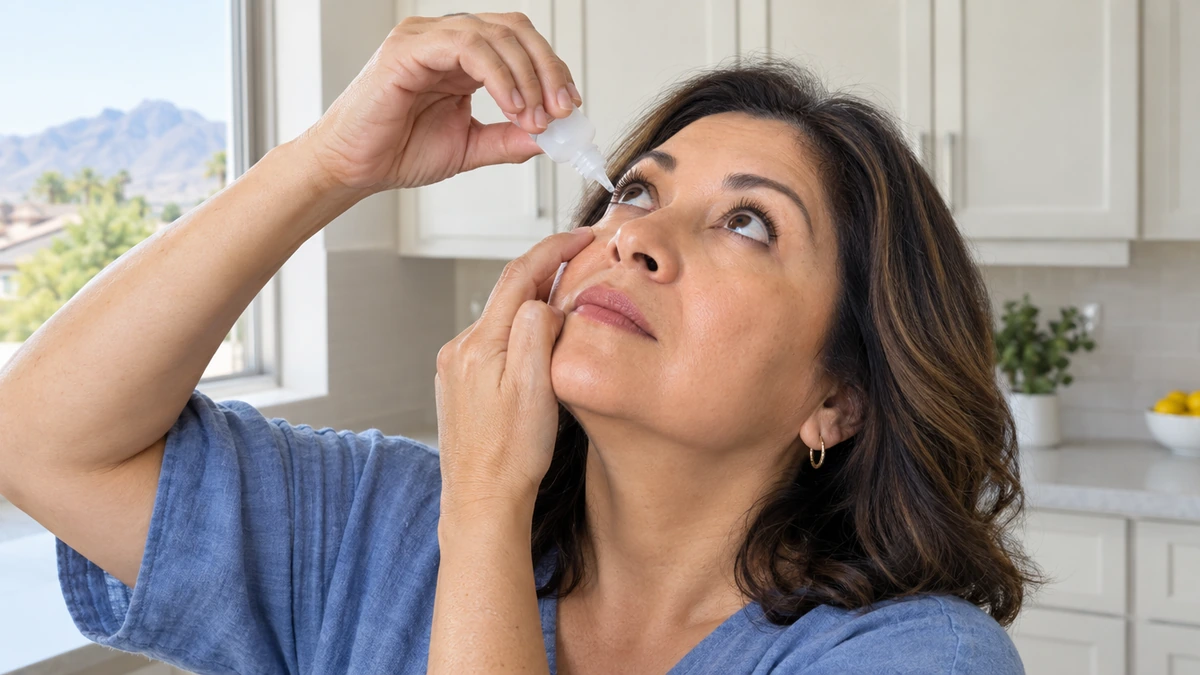
Your written surgical instructions come first. For cataract recovery, the AAO recovery guide advises a new sterile bottle of lubricant drops, at least five minutes between lubricants and prescription drops, and waiting a week before warm compresses or lid scrubs. Those lid treatments put pressure on the eye and risk spreading bacteria. Confirm the restart date with your surgeon before resuming your usual eyelid hygiene routine.
- Check the plan before using a bottle. Match each medication to the correct eye, dose and schedule on your surgical instructions.
- Separate comfort drops from prescribed recovery medicines. Get the surgeon’s approval for any lubricant you want to add.
- Jot down missed doses, trouble getting drops in and any symptom that interrupts your day.
- Attend the planned follow-up visits. Call the surgical team right away for any warning sign in the next section, and before your next visit for a recovery problem you do not understand.
Make the routine workable at home. Set your instructions where you use your drops, and have a family member read them with you when the schedule feels confusing. A bottle from an earlier procedure belongs in the conversation before it goes into your eye. Resolve uncertainty before the next dose is due.
Resist the urge to experiment. Rest your eyes when a task wears on them, then tell me about it at follow-up. One change at a time, cleared by your surgical team, keeps your recovery easy to read. A clean record gives you and me a plan we trust.
Which Changes Need Your Surgeon Right Away?
Call your surgeon right away after cataract surgery for extreme light sensitivity, for redness that comes with pain, light sensitivity or a change in vision, or for a burst of floaters, flashes, or a shadow or curtain in your side vision. The AAO cataract guide lists those signs, and the National Eye Institute adds vision loss, bad pain that medicine does not relieve and very red eyes. After LASIK, call your surgeon right away for any warning sign on your own recovery sheet. Extra lubricant drops never stand in for that call.
Your call needs the essential facts. State which operation you had, which eye is affected and when the change began. Read the symptom list from your recovery sheet if you are struggling to describe the problem. Reach the surgical team before returning to your errands.
How I Approach Your Care Before and After Surgery

You should know who handles each part of your eye care. I am Dr. Amel Youssef, an optometrist, and I provide surgical co-management at Vision by Amel. I do not perform LASIK or cataract surgery. Your surgeon performs the operation and directs the surgical recovery plan.
At your eye exam, bring the surgical instructions, your medication list and the questions you want answered. My role includes dry eye care before and after surgery, with a plan suited to your eyes. My team and I help you understand that plan alongside your surgical instructions. Clear responsibilities make recovery easier to follow.
My office sits at Festival Plaza in Downtown Summerlin, 2010 Festival Plaza Dr, Suite 195, Las Vegas, NV 89135. You need no referral for an exam. When booking, tell my team whether you are preparing for surgery or seeking follow-up care. Read about our medical eye care services, then book online or call.
Frequently Asked Questions About Dry Eye After Surgery
Will LASIK Make My Eyes Dry?
Almost everyone has dry eyes and shifting vision right after LASIK, the AAO LASIK guide says, and those symptoms usually fade within a month. Dryness you already have going in sometimes gets worse afterward. That is why I want your surface checked and treated before you pick a surgery date.
Is Dry Eye After Surgery Permanent?
Usually not. Early dryness after LASIK usually fades, though for some people it lingers or stays, per the AAO LASIK guide. The TFOS DEWS II report advises continuing dry eye treatment for at least six to eight months after refractive surgery, a management plan rather than a deadline for your recovery.
Why Should I Treat Dry Eye Before Cataract Surgery?
Because the AAO dry eye guideline says every patient having cataract surgery should be checked and managed for dry eye before and after the operation. A calm, healthy surface supports more reliable planning, and your surgeon picks the treatment and its timing. Through co-management, I help you follow that plan.
Is PRK or LASIK Better If I Have Dry Eyes?
You should not choose between them on a dryness promise. The TFOS DEWS II report found conflicting studies on which procedure produces less dry eye. One rule holds either way: the AAO dry eye guideline calls uncontrolled dry eye a reason not to have laser vision surgery, so your surface comes first.
Which Eye Drops Can I Use After Surgery?
Use only the drops your surgical team has cleared. For comfort drops during recovery, the AAO lubricant guide points you to drops without preservatives, to lower the risk of toxicity, and to thinner liquid drops that blur less. After cataract surgery, open a brand-new sterile bottle and space it at least five minutes from your prescription drops.
Book My Eye Exam Call (702) 858-4362
Like this article? Add Vision by Amel as a preferred source, and you are more likely to see our articles in Google’s Top Stories.
