
How to Choose a Mobile Optometrist for an Assisted Living Facility

TLDR: I advise you to choose a mobile optometrist for assisted living by verifying who examines residents, what the examination covers, and who follows up. Your review starts with Nevada credentials and mobile-clinic requirements. Set benefits, voluntary consent, eyewear delivery, and secure record handling before residents go onto the schedule.
Answer: To choose a mobile optometrist for an assisted living facility in Las Vegas, verify the candidate’s doctor’s Nevada credentials and the mobile clinic’s registration or certification. Compare examination scope, resident consent, benefit verification, eyewear delivery, and referrals. Get written answers for your residents and location, with named contacts for preparation and unfinished tasks after the visit.
An open date is not enough. Your residents need to understand the examination, while staff need contacts for preparation, results, and unfinished tasks. I recommend you compare each practice using the same questions before setting the schedule. A caregiver with an unanswered glasses request needs a name and contact route after examination day.
Put responsibilities beside the visit plan. Use a facility-coordinated vision day to review who leads the examination, what your facility supplies, and who handles follow-up. I use those same planning questions with you to define the services for your home and resident group. Keep unanswered questions open on the selection checklist until the candidate’s practice supplies a clear response.
How Do You Choose a Mobile Optometrist for Assisted Living?
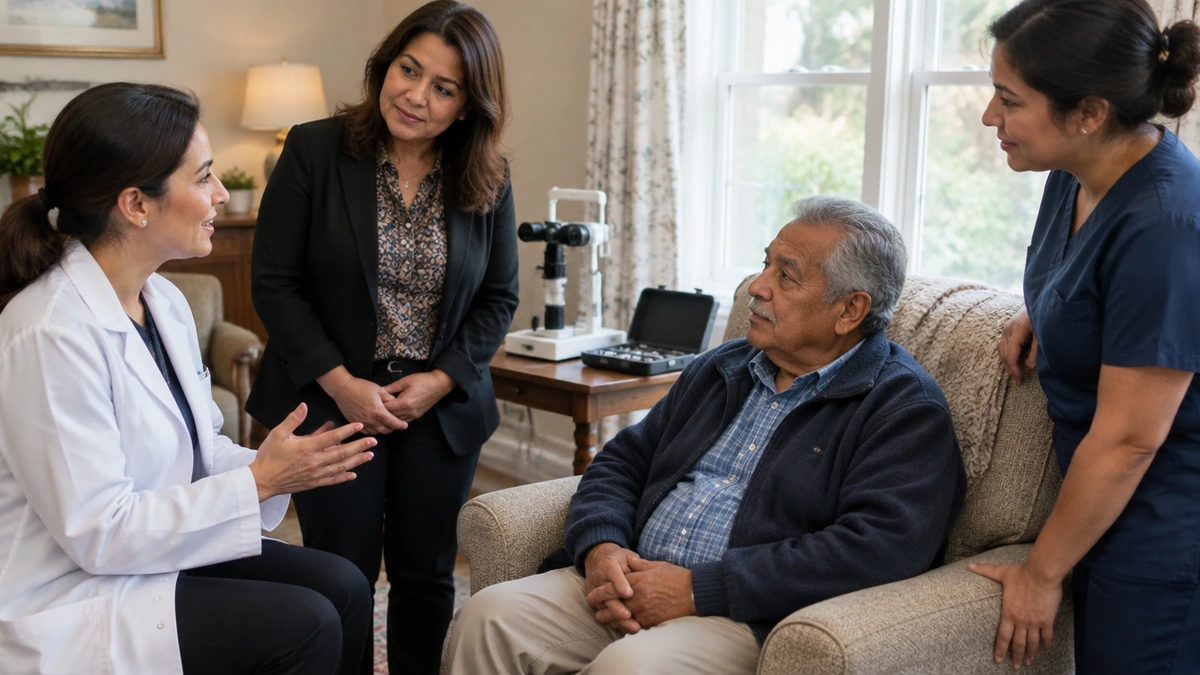
Start with the candidate’s doctor’s full name. The Nevada Board of Optometry’s verification policy identifies its online license verification as a primary source for license status and certification information. Use that process to review your prospective doctor rather than relying on a name in a brochure. Keep the verification with the facility’s selection records.
I urge you to check the mobile clinic, too. I reviewed 69 primary sources across five research lenses for this series, and Nevada regulates mobile-clinic arrangements separately from the clinician’s license. Nevada’s mobile optometry requirements establish certification, specified service populations including patients with impaired or restricted mobility, and licensee direction and final examination. Get the candidate’s explanation of how your residents and location meet those requirements before setting a date.
Keep location credentials with the booking. Nevada’s practice-location rule prohibits practice at an unregistered office or uncertified mobile clinic. Have the candidate’s practice identify the registration or certification for your facility visit. Store the supporting information with the provider records so the person reviewing the booking has it in hand.
Name each contact before examination day. Your contact sheet needs the responsible optometrist and the roles of the people attending with the candidate’s doctor. Identify who answers clinical questions and who handles scheduling or eyewear orders. Update the sheet if your candidate’s assigned team changes.
What Examination Scope Should You Confirm?
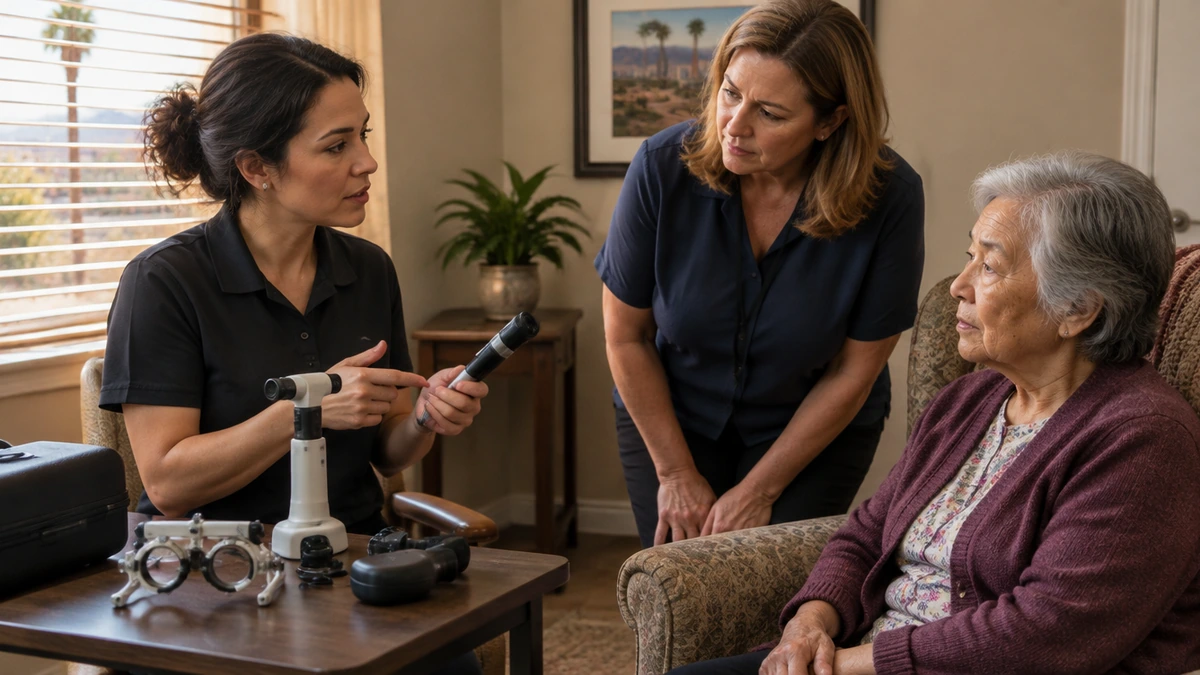
I recommend you get the examination scope in writing. Nevada’s comprehensive-examination definition specifies in-person components and permits a comparable-data alternative when a component cannot be performed. Review how the candidate’s practice records your resident’s completed eye exam and any remaining needs. Use the planned scope when explaining the visit to residents, with unfinished testing kept on the follow-up list.
I ask you to review the room alongside the planned equipment. Describe your private space, power outlet, and residents’ positioning needs before the candidate’s practice decides whether the setup suits the examination. Portable examination equipment does not establish an identical kit for every visit. Record the next step for assessment requiring another setting.
Know which service residents are choosing. Review the difference between examination and screening before comparing proposals for your home. The service description needs to name screening, a comprehensive eye exam, or another defined assessment and explain how refraction and eye health findings enter the plan. Use the candidate’s reviewed wording in the resident invitation.
Describe the resident using the room. Include your residents’ mobility needs, communication preferences, and requested caregiver support when reviewing examination scope. Set the process for incomplete testing or a different appointment time before booking. Leave an assessment open until the candidate’s doctor has explained the next step for any unfinished work.
How Do You Compare Insurance and Resident Consent Processes?

I want you to know what starts the benefits check. Get the document list, secure intake route, and name of the person explaining the response to your resident. Review how unresolved coverage questions are handled before the appointment. Include prescription eyewear in that conversation so order questions stay visible alongside examination benefits.
Verify the resident’s actual plan. For Medicare Advantage, CMS’s plan guidance supports checking benefits, provider networks and authorization requirements against the individual plan. Review the candidate’s process for checking your resident’s planned services and name the benefits contact. Keep the insurer list separate from the response for the insurance card in front of you.
Review consent before selecting the candidate’s practice. Your residents need a clear explanation of the service and a private route for questions about signatures and information sharing. Check how each candidate’s team reviews a guardian’s or healthcare representative’s authority. Include the steps for declining or changing an appointment in the visit plan.
Name the contact for billing questions. Your staff needs to know who handles Medicare and Medicaid administration and identifies the service behind a resident’s question. Get the route for correcting incomplete or inaccurate information before intake starts. Keep financial and clinical details in the resident’s private records throughout that review.
| Selection area | Question for your candidate | Evidence to request |
|---|---|---|
| Credentials | Who is responsible for the clinical visit? | Doctor identification and current Board verification |
| Mobile practice | Which mobile-clinic credentials apply here? | Relevant registration or certification information |
| Examination | What is included and how are limits handled? | Written scope and follow-up process |
| Benefits and consent | How are residents prepared individually? | Intake, verification and signature workflow |
| Eyewear | Who handles the order after selection? | Delivery, fitting and adjustment contacts |
| Records and referrals | Who tracks the next action? | Secure handoff and escalation process |
Who Handles Eyewear Fulfillment and Referrals?
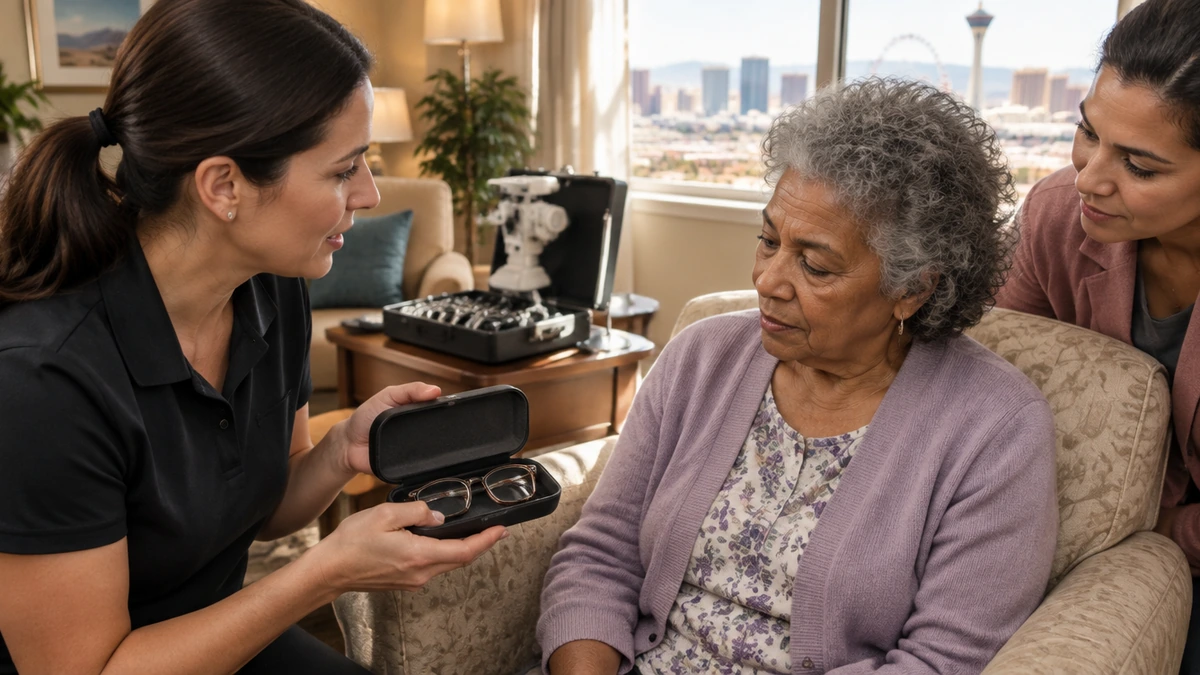
I advise you to follow the order beyond frame selection. Get the names of the contacts handling prescription review, measurements, and your resident’s frame and lens choices. Review delivery updates and the fitting check with the person responsible for the order. Include adjustments, repairs, and replacement questions before a new pair reaches the home.
Give delivery updates a clear destination. Your order notes need a current estimate, an update contact, and instructions for a resident who is away when glasses arrive. Set how changes in the expected handoff reach staff and the resident. Use the prescription glasses fitting and delivery guide to prepare those questions for the candidate.
Make the referral process concrete. A published Canadian facility optometry program recommended ophthalmology referrals, showing outside care remained part of its service. Name who books the next appointment and sends the findings for your residents. Verify the candidate’s proposed referral contacts directly, since another program’s published results do not describe that practice’s network.
I want your next action clear. Review how the candidate’s practice sends the candidate’s doctor’s recommended timing and records unfinished testing for your staff. Identify who answers questions after the candidate’s visit team leaves. Assign a facility contact to track each open task until the responsible person reports it complete.
How Do Privacy Practices Help You Choose a Mobile Optometrist for Assisted Living?
I recommend you trace a document from intake to results. Review where your staff sends registration details, consent forms, and insurance records, and how clinical messages return. Identify the people authorized to handle each kind of information. Keep resident records out of public marketing forms and away from visitors in the common room.
Plan privacy before assigning the room. Set how your staff brings residents in, handles caregiver attendance, and manages interruptions during the examination. Name who alerts the candidate’s doctor when the next resident is ready and identify where residents wait. Review privacy and access again if the room changes.
Use references to check the working process. Request facility references when available and authorized for sharing, then discuss preparation, communication, and unfinished tasks with your reference contact. Keep identifiable resident cases out of that conversation. Review those practical answers alongside the credentials and examination scope before selecting the candidate’s practice.
- Did the provider explain what the facility needed to prepare?
- Was there a clear contact for schedule changes?
- How were unresolved eyewear or report requests handled?
- Did the facility know who tracked referrals after the visit?
- What would the coordinator clarify before another visit?
Compare candidates on the same checklist. Mark what each practice has confirmed and which questions still need an answer for your home. Resolve those gaps before telling residents what to expect. Choose based on a documented process suited to the residents, staff, and space you have described.
Speak With Me About Your Facility Vision Day
Bring your checklist to a planning call with me. I bring on-site eye care to assisted living homes, memory care communities, and senior living communities across the Las Vegas Valley. I am Founder Dr. Amel Youssef, OD, and my practice, Vision by Amel, is in Downtown Summerlin. Review credentials, examination scope, and your private room with me while working through the selection questions.
Set the tasks with me before the date. My team helps you prepare resident interest, consent, insurance records, a private room with electrical access, and the examination schedule. Resident participation is voluntary, and I arrange insurance benefit verification before service. Benefits depend on each resident’s eligibility and plan terms. My team and I review secure record handling, eyewear selection, measurements, delivery, adjustments, clinical follow-up, and referrals with you before residents attend.
Frequently Asked Questions About Choosing a Mobile Optometrist
What if a provider changes the clinician assigned to our visit?
Repeat the credential review for your chosen provider’s newly assigned doctor and update your contact sheet. Name who now holds responsibility for the clinical plan and follow-up. Complete those checks before residents attend the changed visit.
How should we assess a provider without shareable facility references?
Review blank process materials, named contacts, and credential evidence directly. Compare examination scope and follow-up against your checklist without treating an unavailable reference as proof of the working process. Record the reference gap alongside the evidence the practice supplied.
What should our agreement say about canceled appointments?
Record your chosen practice’s cancellation and rescheduling terms, including who notifies residents. Your visit plan also needs instructions for pending documents and open glasses orders. Put the agreed contact route beside those terms so staff know whom to call.
What if a provider requests resident details through a public form?
Use your chosen practice’s private intake channel for health records. Keep your public planning request to facility contact details and general scheduling needs. Get the intended recipient and secure route clear before sending resident documents.
How should we review the partnership after the visit?
Check whether reports, eyewear updates, and referral contacts reached the people assigned to act on them. Compare your actual handoff with the agreed process and list unfinished tasks. Have your chosen practice address those items before planning another facility date.
Schedule an On-Site Vision Day Speak With Dr. Amel’s Team: (702) 858-4362
Like this article? Add Vision by Amel as a preferred source, and you are more likely to see our articles in Google’s Top Stories.
