
Your Child’s First Eye Exam in Summerlin: What to Expect
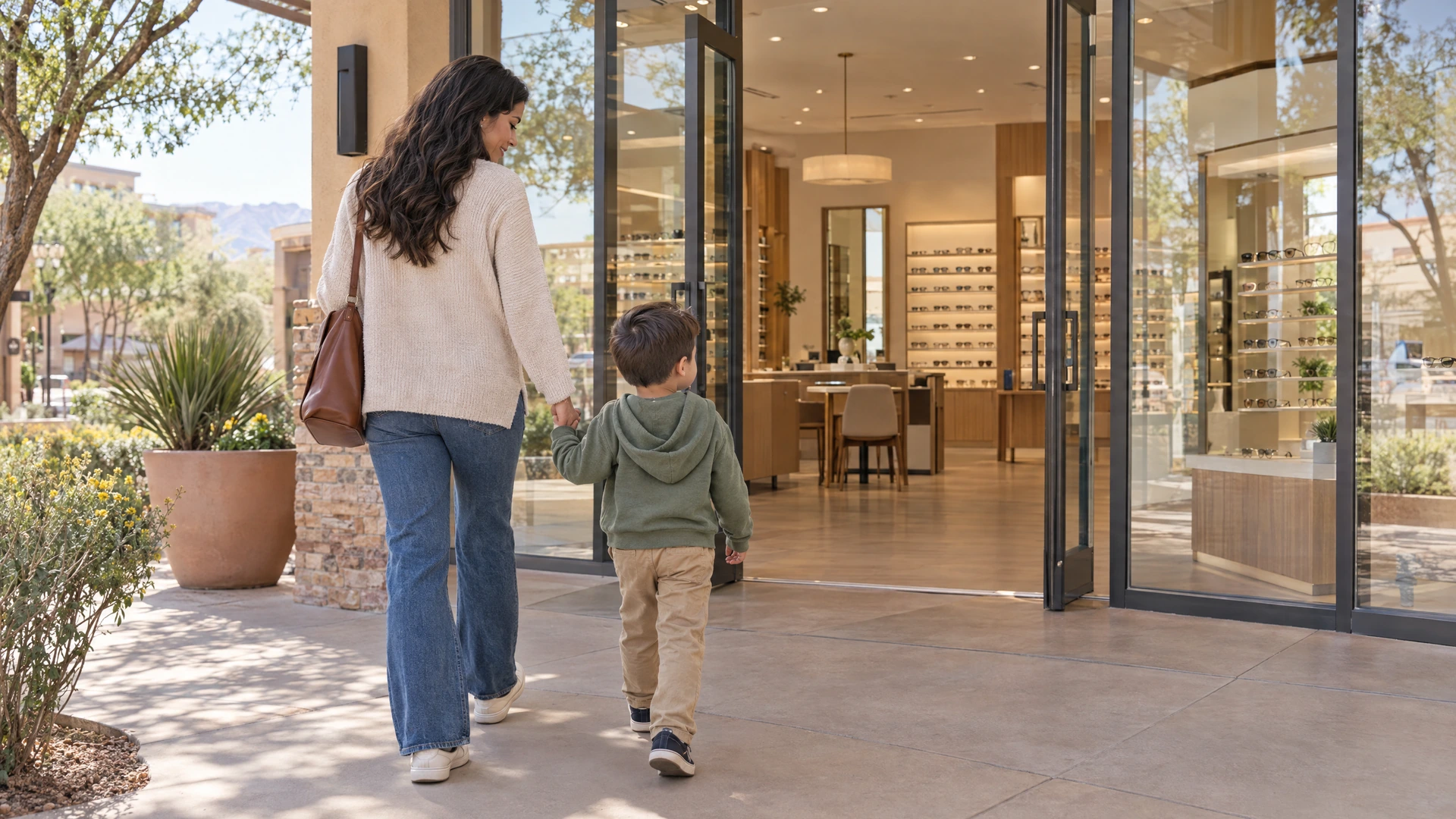
TLDR: Your child’s first eye exam in Summerlin starts with your concerns and ends with a clear next step. Talk through the visit, pack previous screening results, and leave time to hear the findings. Vision by Amel offers weekend appointments at Festival Plaza.
Answer: At your child’s first eye exam in Summerlin, I review health history, check vision and eye health, and explain the findings. A comprehensive eye exam includes how the eyes focus and work together. As your optometrist, I use those findings to explain whether glasses, further assessment, or a return visit belongs in the plan.
First visits come with questions. What is that machine, and what will my child need to do? Between preschool pickup and a weekend soccer game, you want clear answers before adding another appointment. My eye examination services page explains how I examine your eyes, and this guide walks you through your child’s visit.
I start with your concerns. You leave with a next step. Whether you are driving across Las Vegas or coming from a nearby Summerlin neighborhood, preparation starts with knowing what you want to understand about your child’s eye health. I believe good eye care leaves parents with a plan they know how to use.
How Do You Prepare for Your Child’s First Eye Exam?

Keep the explanation small. Your child needs a sense of what comes next. I reviewed 73 primary sources across five research lenses for this guide, and the AOA recommends talking through the visit beforehand with your child.
Start with a conversation at home. The AOA recommends talking about the examination beforehand, inviting your child’s questions, and allowing about an hour for a preschool exam. Sitting together on the bedroom rug gives you a simple place to begin. Say, “We are going to have your eyes checked, and you get to ask questions too.”
Pack once, then stop rehearsing. Put the records and questions together before you head toward Festival Plaza. Use this list to prepare for your pediatric eye exam while leaving the testing to me.
- Previous vision screening results, a referral note, and any earlier eye records.
- Current prescription glasses, if your child already wears them.
- Medicines, allergies, relevant health history, and known family eye conditions.
- Your main concern, with a concrete example of when it happens.
- A familiar comfort item and the questions you most want answered.
Tell my team about your child’s communication preferences, sensory concerns, or worries about unfamiliar rooms. Be specific about the worry. A child nervous about a machine needs a different explanation from a child worried about giving a wrong answer. Help me understand the worry before your child walks in.
When Should You Book Your Child’s First Eye Exam?
You deserve to see the timing advice side by side. The experts split on routine children’s vision checks. The table separates the American Optometric Association’s examination schedule from the screening approach of the American Academy of Ophthalmology and the American Association for Pediatric Ophthalmology and Strabismus.
| Approach | Published Guidance | What to Discuss |
|---|---|---|
| AOA, infancy | The AOA infant guidance recommends a first thorough examination at about age 6 months, even without apparent problems. | Your baby’s previous checks and health history. |
| AOA, preschool | The AOA preschool guidance recommends an in-person examination between ages 3 and 5, then another around school entry at age 5. | What your child has already had checked. |
| AOA, school years | The AOA school-age guidance recommends annual examinations for school-age children, with more frequent visits for problems or risk factors. | Your child’s individual follow-up plan. |
| AAO and AAPOS, screening first | The AAO and AAPOS joint statement supports screening and referral after a failed screen, while finding no proven medical benefit from routine comprehensive examinations in otherwise normal children without symptoms. | Your child’s screening results, symptoms, and risk factors. |
Start with the checks your child has already had. Let my team know whether you are arranging a routine first visit or following up on a concern. The pediatric eye exam guide covers timing, Medicaid, and school screenings to give you more context for that conversation.
What Happens During the Exam, Step by Step?
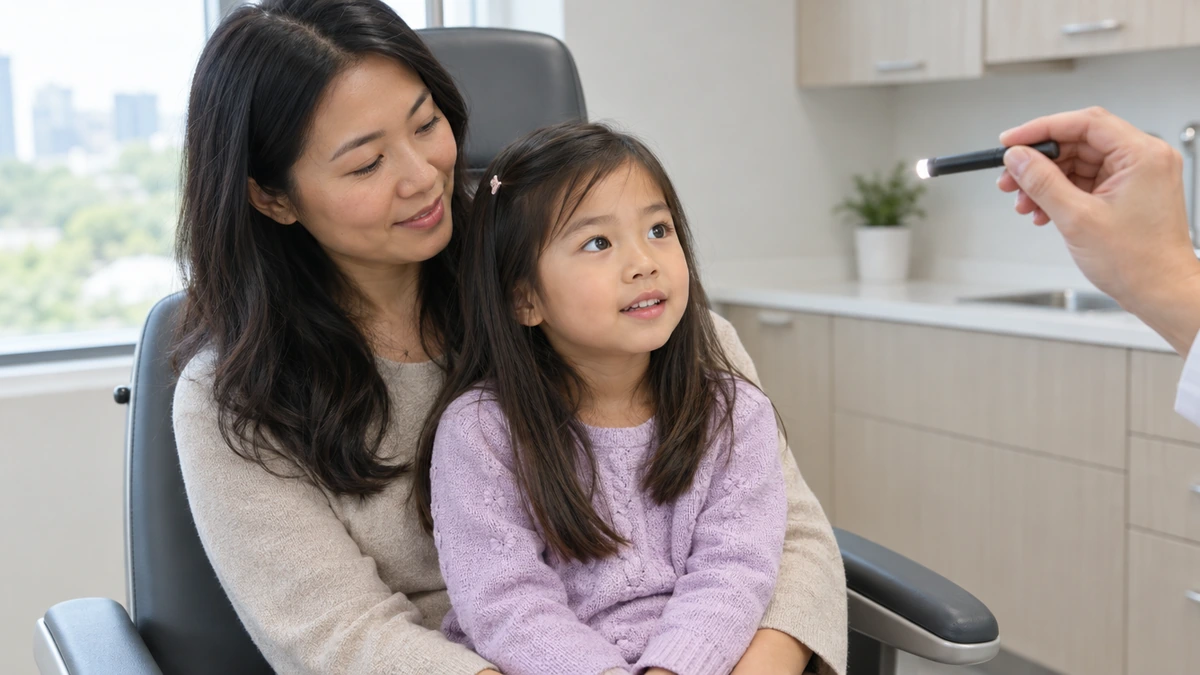
Your child’s age shapes the examination. The AAO’s pediatric evaluation guidance describes history, vision and eye health checks, with techniques and order adapted to age, development, and cooperation. Here is the visit in five steps. The order bends to your child.
- Start with the history. Tell me why you booked and what you want answered. We review earlier results, medicines, and family eye history, including any known amblyopia or strabismus. Share the diagnosis as you received it.
- Check clarity of sight. Visual acuity describes how clearly your child sees. Let me explain the task, then give your child space to respond. You do not need to supply an answer when they hesitate.
- Look at teamwork. I check eye alignment and movement as part of evaluating how the eyes work together. Point out any instruction that seems unclear so I know what needs explaining.
- Assess focus and eye health. Refraction measures the need for a glasses prescription. I also evaluate the eyes themselves and explain the findings relevant to the concern you brought.
- Set the next step. We discuss what the findings mean, whether more assessment is needed, and what to do next. Before leaving, confirm how and when to follow the plan.
You matter in that room. Share what helps your child communicate, then leave room for their response. Say so when they need a pause or do not understand an instruction. I value an honest “I don’t know” more than a coached answer.
What Should You Do After the Visit?
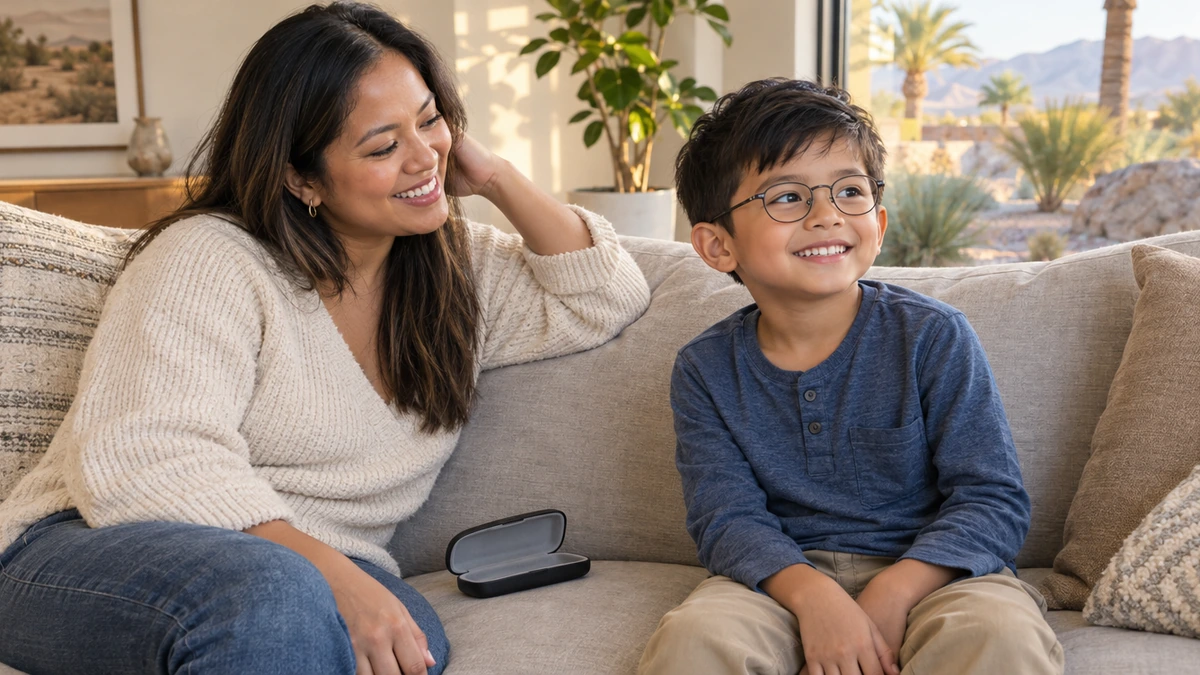
Leave with a clear next step. You should know whether the plan involves glasses, further evaluation, or a return visit. Ask me to explain any unfamiliar term before you head back to the parking area. Skip the jargon. Leave with one clear next step.
When glasses are prescribed, settle the wear instructions first. You need to know when your child should wear them and what follow-up I recommend. During frame selection, invite your child to describe what presses at the nose or behind the ears. Discuss lens choices, including polycarbonate lenses and UV protection, in relation to the prescription.
Keep the plan within reach. Save your visit information with the records you brought, so the next appointment starts with the previous findings available. Before leaving, repeat the next step back to me and clear up anything you are unsure about. Leave knowing what happens next and who to contact with questions.
How Do You Plan the Trip to Festival Plaza?

Plan the arrival before you leave home. Vision by Amel is at 2010 Festival Plaza Dr, Suite 195, Las Vegas, NV 89135, in Downtown Summerlin at Festival Plaza. My office sits minutes from The Vistas, The Paseos, Sun City and Red Rock Country Club. Use the Downtown Summerlin location page to plan your route, with time to park and walk to the suite.
Weekend hours give you options beyond school pickup. My office opens seven days a week, Monday to Saturday from 9 am to 6 pm and Sunday from 11 am to 5 pm. Check available appointment times with my team when you book. Choose a time you can reach without rushing from the last stop.
Leave space around your visit. Do not stack soccer practice right after. Give yourself time to hear the findings before packing everyone back into the car under the desert sun. Block the morning and keep it calm.
How I Walk You Through a First Visit at Vision by Amel
Your first visit starts with why you came. I am Dr. Amel Youssef, OD, the optometrist who founded Vision by Amel, and I guide you through your child’s eye examination. My team welcomes Summerlin families every week, and you do not need a referral to book an eye exam. Tell us your child’s age and your main concern when you call (702) 858-4362 or book online.
You get an explanation alongside the equipment. The office uses Visionix digital diagnostics, from digital refraction and eye-pressure measurement with tonometry to retinal imaging and corneal mapping. My evaluation includes binocular vision, color vision testing where needed, and screening for eye disease. I perform a dilated eye exam only when I see a medical reason for one.
The findings lead to your plan. We move from your child’s history through diagnostics and my evaluation to the next step. Prescription glasses are available from my gallery when they belong in that plan. Have me explain anything unclear about the prescription before you choose frames.
Sort out benefits before the first visit. Before you arrive, my team uses your plan details to verify benefits by phone. Vision by Amel accepts Nevada Medicaid, VSP, EyeMed, Aetna, and other plans on our accepted list. Your individual plan determines the benefits, so have its details ready when you call.
Frequently Asked Questions About Your Child’s First Eye Exam
What Should I Say If My Child Is Afraid of Getting an Answer Wrong?
Try saying, “You are here to show us what you see.” A blurry view is useful information to share, so let your child say when something looks unclear. Avoid praising a guessed answer as correct, and let me explain a task again when needed.
Does My Child Need to Know Their Letters?
No, the AOA preschool exam guidance confirms children do not need the alphabet or reading skills for an eye examination and recommends booking early in the day. Use that advice to plan your first visit. When you call, discuss an available time that fits your child’s usual routine.
Can My 3-Year-Old Do an Eye Exam If They Won’t Sit Still?
A restless child still deserves an assessment suited to their development. The AAO explains that cooperation helps determine the examination order. Tell me what is difficult for your child, then confirm which parts were completed and whether anything needs another visit.
What If I Do Not Know Our Family’s Eye History?
Share what you know and mark the gaps. A relative’s diagnosis is useful even when you do not know the treatment details. I will help you identify which missing information is worth gathering, rather than asking you to guess at a family condition.
What Should I Ask When Booking a Visit for a Young Child?
Give my team your child’s age and reason for coming, then confirm the appointment details. Check whether there are instructions to follow before arrival. Mention language or accessibility needs during the call, so you know what to expect before you set out.
Book My Eye Exam Call (702) 858-4362
Like this article? Add Vision by Amel as a preferred source, and you are more likely to see our articles in Google’s Top Stories.
