
On-Site Eye Care for Adult Day Care Programs in Las Vegas

TLDR: I help you fit adult day care eye exams in Las Vegas around attendance and the ride home. You need consent, insurance review, a private examination room, and a named person to receive instructions after each participant leaves. Keep participation voluntary and settle the visit plan before inviting families.
Answer: I plan on-site eye care with your Las Vegas adult day care program by reviewing participant interest, consent, representative authority, and benefit verification before service. Your schedule needs a private room, available escorts, and appointments within attendance hours. Set eyewear decisions, departure help, family communication, and follow-up contacts with my team before examination day.
Plan the ride home from the start. Your participants arrive from different homes and leave on different schedules, so the visit needs to fit those departure times. Use the service overview for a facility-coordinated vision day to begin planning. Match the day’s appointments and family contacts to your program’s attendance list.
Get the glasses and contacts ready. Your preparation list needs each participant’s current pair, a reachable representative where involved, and a clear departure plan. Assign those tasks before I arrive as your visiting optometrist. Give staff a name for each follow-up action so the examination fits the program’s daily routine.
Who Should You Invite for Adult Day Care Eye Exams in Las Vegas?

Identify your program before setting dates. Nevada defines and licenses adult day care separately and excludes establishments providing care only during the day from Residential Facilities for Groups. Describe the setting accurately when speaking with my team. Use the arrival list and pickup times to shape appointments instead of copying an overnight home’s schedule.
Invite interest before scheduling an eye exam. Record your participant’s existing eye doctor and appointments already booked alongside the reason for joining the visit. Bring concerns about reading, glasses, or known conditions to me. Enrollment at your program does not establish examination consent or tell staff what diagnosis explains a concern.
Name who receives the handoff home. When you compare assisted living eye exams with an adult day visit, departure makes that handoff a practical priority. Your staff needs a contact for instructions and for booking another appointment if recommended. Set the participants and location with my team before announcing a date.
How Do Registration and Consent Work?
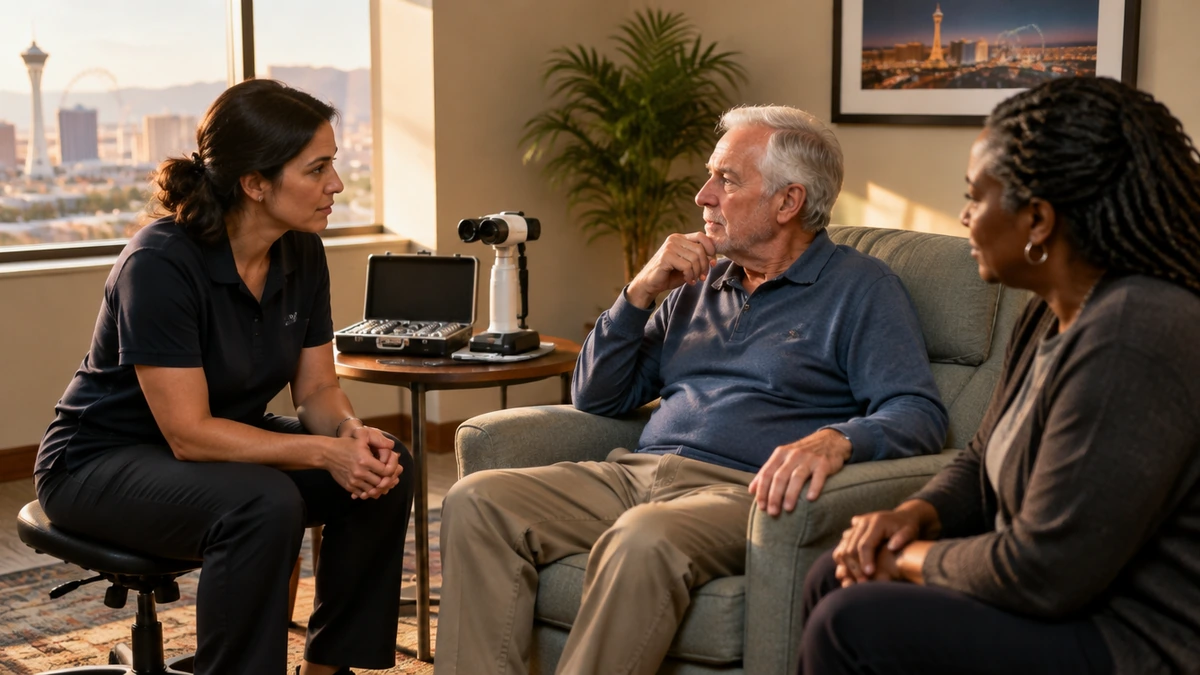
Start with the interest list. Get my team’s registration materials and secure intake route before your staff gathers individual records. Use the public facility inquiry form for program details only. Participant names, insurance cards, diagnoses, and medical histories belong in secure intake, away from the reception desk’s shared paperwork.
- Ask each interested participant about joining the visit.
- Confirm attendance, arrival time, departure time, and communication needs.
- Arrange consent review and provide current representative documents when applicable.
- Gather the insurance information and health history requested by my team.
- Confirm the contact responsible for follow-up after the participant leaves.
Treat consent as a separate task. Use the resident consent process even when your program calls the people attending participants. The relative who drives someone home is a useful contact, but my team still needs to review that person’s decision-making authority. Identify any guardian or healthcare power of attorney and supply current documents before the visit.
Plan who enters the private room. Nevada protects medical-care privacy and refusal of treatment to the extent permitted by law, including consent to people present who are not directly involved in care. Record your participants’ support preferences before deciding who accompanies them during the examination. Use the facility coordinator’s consent guide to prepare questions for my team about participation and room access.
What Should You Gather for Benefit Verification?
Send the actual insurance details. Gather current cards through secure intake and tell your contact about Medicare, Medicaid, Medicare Advantage, or multiple plans reported by the participant. I arrange verification of eligibility, service benefits, and participation before service. Keep any unresolved plan question with the intake task instead of treating the card as a coverage decision.
Explain exam and eyewear benefits separately. Original Medicare excludes routine examinations for prescribing glasses or contact lenses. Use your participant’s verified benefits when discussing the planned services and their responsibility with my team. Give families the individual explanation before proceeding, with the general program invitation kept to the visit details.
Give missing paperwork a staff contact. Track incomplete registration and missing insurance cards on your preparation list without displaying health information to the whole program. Bring clinical decisions to me and billing questions to my team. Resolve the items needed for an appointment before moving the participant onto the final schedule.
How Do You Fit Adult Day Care Eye Exams in Las Vegas Into the Program?
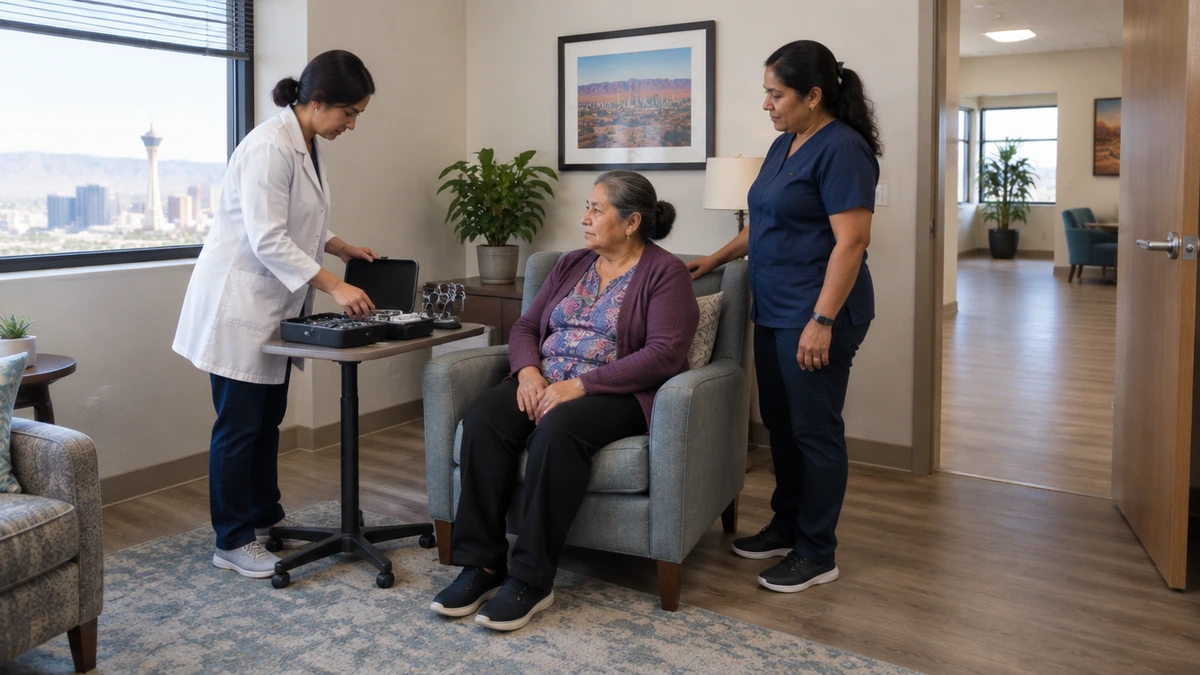
Keep the path to the room clear. Reserve your private room with electrical access, then review seating, portable examination equipment, and the route from the activity area with my team. The AOA’s facility-care guidance ties examination arrangements to space and resident needs, rather than a universal room layout. Settle that setup before finalizing appointments.
Start with arrival and pickup times. Put meals, activities, mobility help, and periods when a participant is unavailable beside your attendance list. Set the appointment order with my team around those limits. Leave room for breaks and schedule changes instead of assigning the same examination length to everyone.
| Planning point | Program responsibility | Review with my team |
|---|---|---|
| Arrival | Check attendance and current glasses | Whether preparation is complete |
| Examination space | Reserve privacy, seating, and electrical access | Room suitability and equipment setup |
| Participant sequence | Share attendance windows and assistance needs | Appointment order and breaks |
| Departure | Identify the pickup contact and support plan | Individual aftercare instructions |
| After the visit | Track the agreed communication handoff | Eyewear, referral, and follow-up tasks |
Keep your usual activity space available to participants waiting for their appointment. Bring people to the room when my team is ready instead of assembling a group outside the door. Tell the coordinator promptly when transportation changes so the schedule reflects who is still present.
What Should Participants Expect During the Examination?
Tell families which examination is planned. A comprehensive eye exam assesses overall eye health, while vision screening identifies some problems and misses others. Use the reviewed service description in your invitation before participants register. I select the tests, and your staff prepares people for the service described in the visit plan.
Bring the participant’s everyday concerns. Have your staff supply current prescription glasses and requested history, with communication and positioning help planned in advance. A participant struggling to read an activity sheet gives me a concrete concern to explore. Get the findings, unfinished testing, and next steps clear at the examination handoff.
Prepare the pickup contact for aftercare. Your departure plan needs room for examination instructions because dilation sometimes leaves vision blurry and eyes sensitive to light for several hours. If dilation is planned, get my instructions for that participant and the support needed afterward. Share those instructions with the authorized pickup contact before the person leaves the program.
Set the route to further care. Review the testing available at your program and the next step for findings needing an outside appointment. My practice’s eye examination service overview gives you a starting point for that conversation. Record the services planned for your room and name who follows up on care in another setting.
How Do Eyeglasses and Family Follow-Up Continue After Departure?
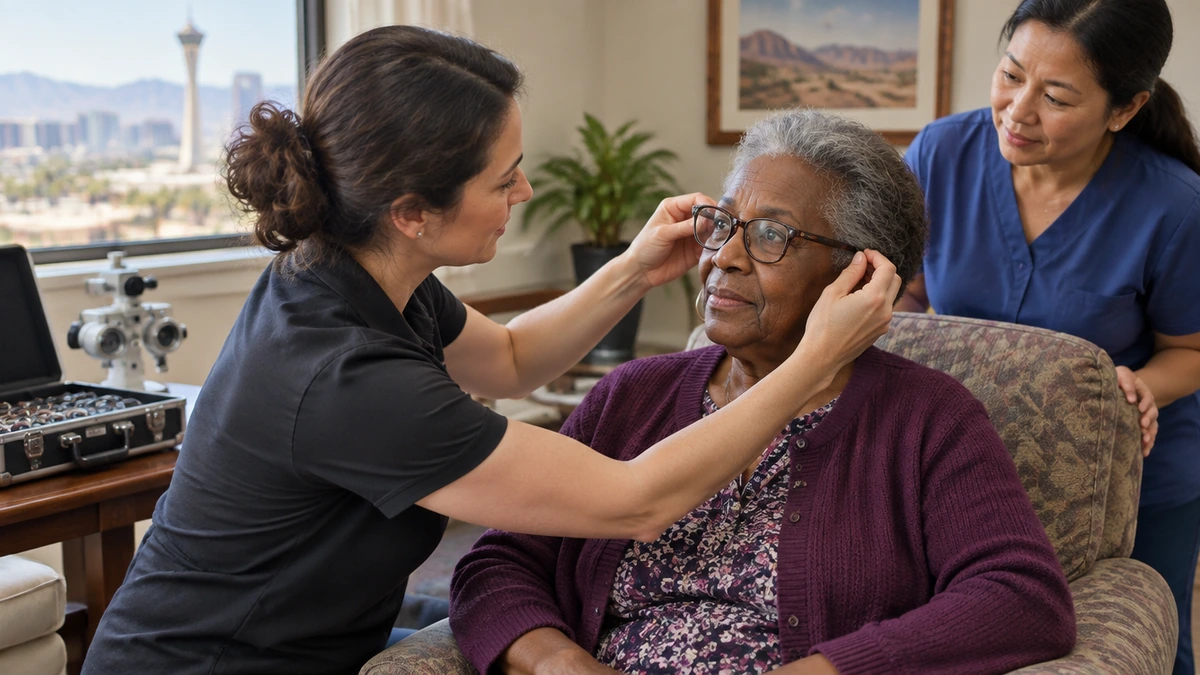
Set the glasses handoff before ordering. My team and I review frame selection, measurements, lens choices, and verified benefits with your participant choosing eyewear. Name who receives your participant’s order updates and where delivery and adjustments will happen. Get the delivery details from my team before giving a family an expected arrival date.
Keep follow-up active after pickup. I reviewed 69 primary sources across five research lenses for this series, and published facility programs tracked follow-up after examinations. A Canadian facility optometry program tracked reassessment timing and sent reports to family physicians. Name who receives your program’s clinical messages and who checks whether the next appointment has been booked.
Finish the handoff before closing the task. Record whether instructions reached your assigned contact, what administrative questions remain, and who handles each next action. Use the glasses fitting and delivery guide to prepare questions about adjustments and ongoing support. Keep any unanswered delivery or fitting question on the follow-up list after the participant leaves.
Plan Your Adult Day Care Vision Day With Me
Build the visit around your attendance list with me. I am Dr. Amel Youssef, OD, founder of my practice, Vision by Amel, in Downtown Summerlin. I serve adult day care programs, assisted living homes, memory care communities, and senior living communities across the Las Vegas Valley. Bring your facility type, pickup pattern, and preferred month to the planning call.
Your participants choose to take part. I start the facility-coordinated vision day with interest, consent review, and insurance benefits verified before service. Benefits depend on each resident’s eligibility and plan terms. My team and I review your private room with electrical access, examination order, eyewear selection, measurements, delivery, adjustments, and referral contacts before confirming the day. I keep participation voluntary and confirm who receives follow-up instructions after departure.
Frequently Asked Questions About Adult Day Care Vision Days
What should I put in the facility inquiry form?
Use your role, program address, facility type, contact details, preferred month, and approximate interested participant count. Include the number of homes operated if relevant to your organization. Save individual registration information for the secure process arranged with my team.
How should I handle participants who attend on different days?
Find the attendance days shared by interested participants before proposing a visit date. Give your staff contact a backup way to reach people absent when plans are confirmed. Recheck attendance before distributing appointment details so the list reflects who expects to be there.
What if a participant arrives without their glasses?
Tell my team which glasses are missing and find out whether they are available before departure. You or the authorized contact should report what the participant normally uses that pair for. I decide how to proceed and what information I still need for the assessment.
Should family members wait at the program all day?
Set a specific availability plan instead of asking family members to wait all day. Identify why the representative is involved and when your team needs that person available for questions or decisions. Give the representative a contact route for changes before the visit.
What if someone changes their attendance after registering?
Update your staff contact and appointment list as soon as attendance changes. My team settles the revised time or next step with the participant or authorized representative. Keep registration status and actual attendance aligned before the visit begins.
Schedule an On-Site Vision Day Speak With Dr. Amel’s Team: (702) 858-4362
Like this article? Add Vision by Amel as a preferred source, and you are more likely to see our articles in Google’s Top Stories.

Leave a Reply