
Styes and Eyelid Bumps in Kids: When to Treat at Home and When to Call
TLDR: A stye in kids needs gentle care: a clean warm compress, no squeezing, and attention to changes in your child’s symptoms. Call for an eye exam when a bump persists or returns. Get care right away for spreading redness or swelling around the eye, fever, vision change, or pain moving the eye.
Answer: For families in Las Vegas, a small eyelid bump without warning signs often starts with warm compresses at home. A stye involves infection, while a chalazion involves a blocked oil gland. Arrange an exam for a lasting or recurring bump, and seek care right away when your child has spreading swelling, fever, vision change, or pain moving the eye.
You’re getting ready for school in Summerlin when your child points to a bump in the bathroom mirror. Shoes are waiting by the door. You need to know whether to reach for a washcloth, call for an appointment, or leave for urgent care.
I reviewed 168 primary sources across five research lenses for this guide, and a blocked eyelid gland is different from an infected one. That distinction helps you understand the next step. My eye examination service gives you a place to start for a persistent bump without emergency symptoms.
Is It a Stye in Kids or a Chalazion?

A bump is a sign, not a diagnosis. A chalazion is a blocked oil gland, while a stye, also called a hordeolum, is an infected eyelid gland, as AAPOS explains. Most styes start with a bacterial infection, says the American Academy of Ophthalmology, and the AAO adds that the two are sometimes hard to tell apart. Your child’s bump gets its real name at an eye exam.
Skip the mirror diagnosis. Notice where the bump is, when it appeared, and whether your child reports pain or a change in sight. Those observations are more useful than choosing a label from a photograph.
| What You’re Considering | What It Means | What to Do |
|---|---|---|
| Stye, or hordeolum | An infected eyelid gland | Use gentle warm compresses when there are no warning signs. Never squeeze. |
| Chalazion | A blocked eyelid oil gland | Arrange an exam when it is large, persistent, or returning. |
| Spreading swelling or changed vision | Signs that need care right away, whatever the bump is called | Get care right away. Eye movement pain or reduced vision means emergency care. |
Listen to your child even when the bump looks small. Tell me in their own words whether the lid hurts or the view across the room has changed. A photo records appearance, but it does not replace an examination. For redness elsewhere in the eye, our guide to pink eye in children addresses that separate concern.
How Do You Care for a Stye in Kids at Home?
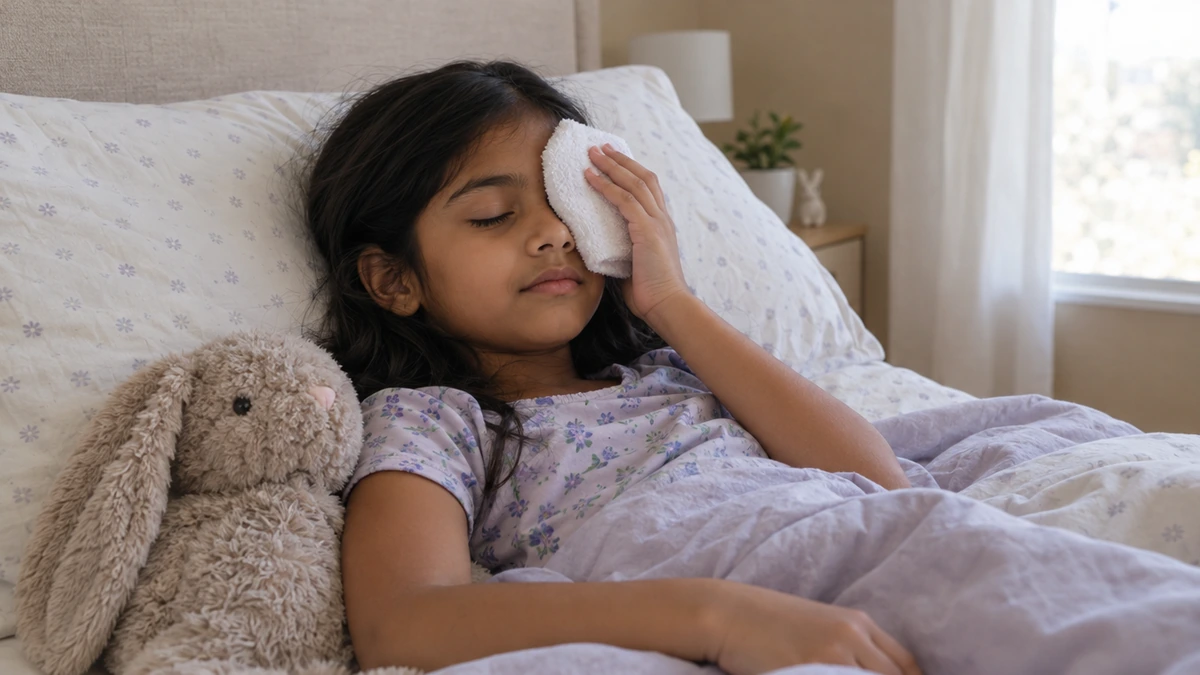
Start with gentle warmth. The American Academy of Ophthalmology recommends holding a warm compress against the eyelid for 10 to 15 minutes, 3 to 5 times a day, without burning your child’s skin. Published schedules differ, so follow the plan given for your child. Treat this as a care routine, not a deadline for the bump to disappear.
- Wash your hands and choose a clean washcloth.
- Wet it with warm water. Check the temperature yourself so the cloth feels comfortably warm, not hot.
- Help your child settle with the affected eye closed. Rest the cloth gently against the lid without pressing on the bump.
- Rewarm the cloth as it cools, checking the temperature again before replacing it.
- Leave the bump alone afterward. Do not squeeze, pop, or puncture it.
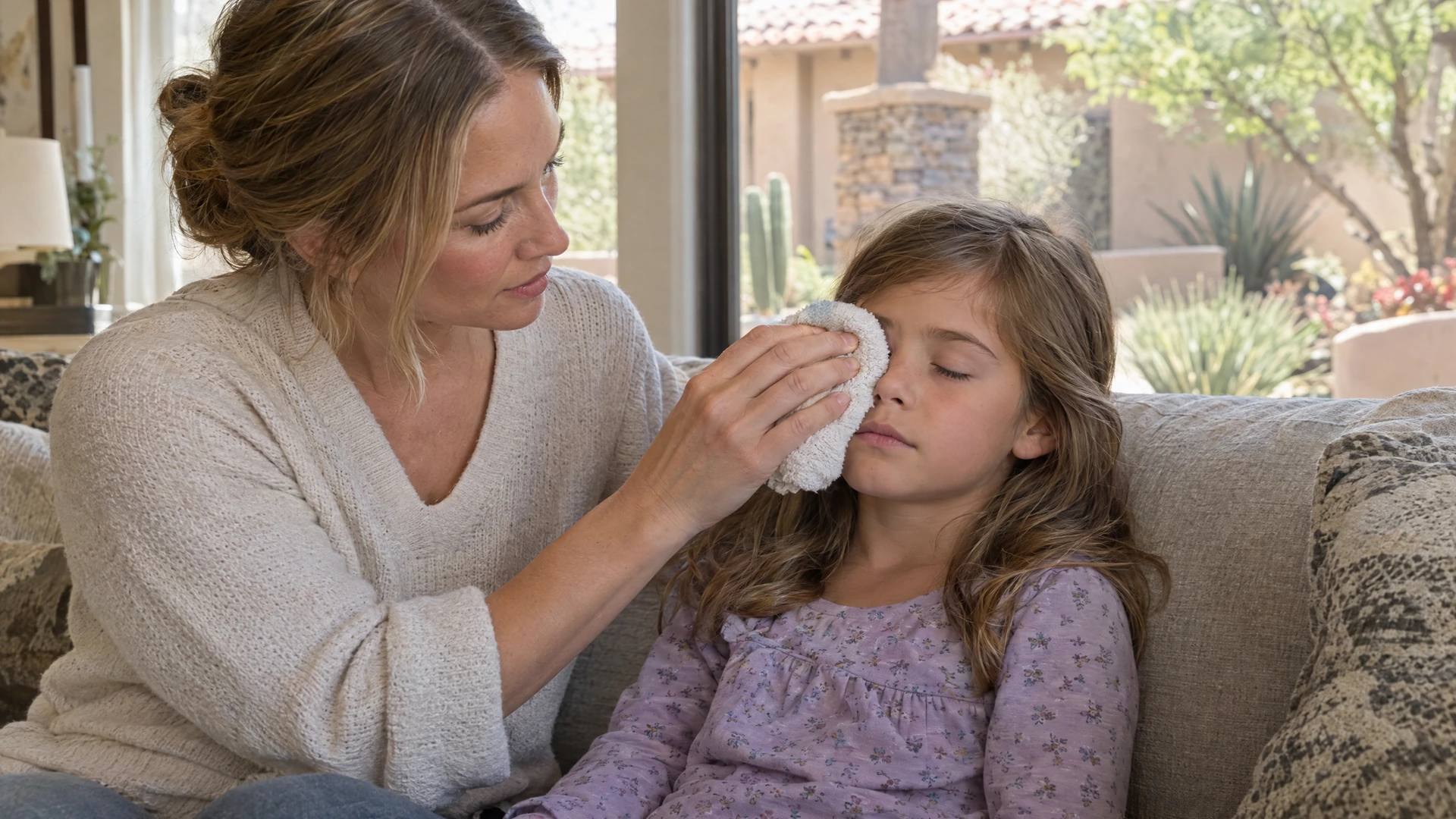
Make the setup simple for your child. After a Las Vegas school pickup, set the backpack down and settle together on the couch with the clean washcloth. Let your child choose a story to hear while you hold it gently in place. A familiar routine makes the instructions easier to follow.
The AAO says never squeeze or pop a stye or chalazion, because squeezing risks spreading the infection into the eyelid, and to skip eye makeup and contact lenses until the bump is gone. Your fingers hold the cloth, never the lump. For a teen who wears lenses, my guide to contact lenses for kids and teens covers the everyday lens habits.
I prefer a calm, repeatable care plan over a crowded shelf of remedies. You should leave the visit knowing what to do and what change means you need help. Share the plan with everyone caring for your child, from the parent handling breakfast to the grandparent taking over after school. Walk through the cloth placement together so the next adult knows exactly what you mean.
Which Eyelid Warning Signs Send You Straight to Care?
Get care right away if your child has spreading redness or swelling around the eye, fever, vision change, or pain moving the eye. The American Optometric Association says redness and swelling extending beyond the eyelid to the cheek or face require an immediate call to your eye doctor. Stop the home-care routine and describe the spreading redness or swelling when you call.
Go to the emergency room right away for a swollen, red eyelid with pain when your child moves the eye, trouble moving the eye, a bulging eye, double or reduced vision, or fever. Those signs point to orbital cellulitis, an infection of the eye socket, which MedlinePlus calls a medical emergency and warns sometimes gets worse fast in children. Skip the online booking form and go.
Skip the home test. Whether the infection stays in the lid or reaches deeper around the eye is a call for a doctor to make in person, right away. A home eye-movement check never proves that waiting is safe for your child.
What Should You Do When Eyelid Bumps Return?
A returning bump needs a fresh look. Tell me whether your child has had the same problem before and what care you used. Mention any past diagnosis of blepharitis, an inflammation of the eyelid edges. When blepharitis is part of the picture, your child’s plan often includes an eyelid hygiene routine, and my medical eye care page explains how I approach eyelid inflammation.
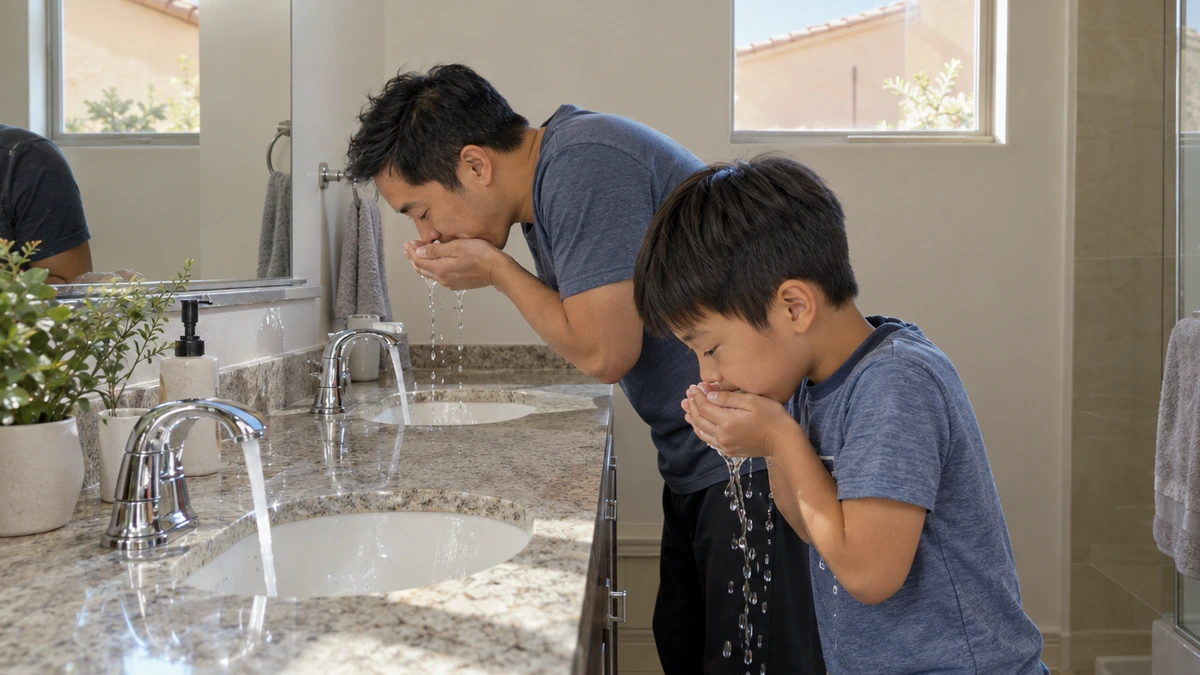
Mornings tell the story. At the double sink in your Summerlin bathroom, while you both wash up before school, take one look at the lid. Bigger, smaller, redder? Snap a photo, skip the poking, and show me at the visit.
Give me the plain version. “It shrank, then it came back on the same lid” is exactly what I want to hear. Share what you tried and whether it helped, and your child’s visit starts in the right place.
When Should You Book an Exam for a Lasting Bump?
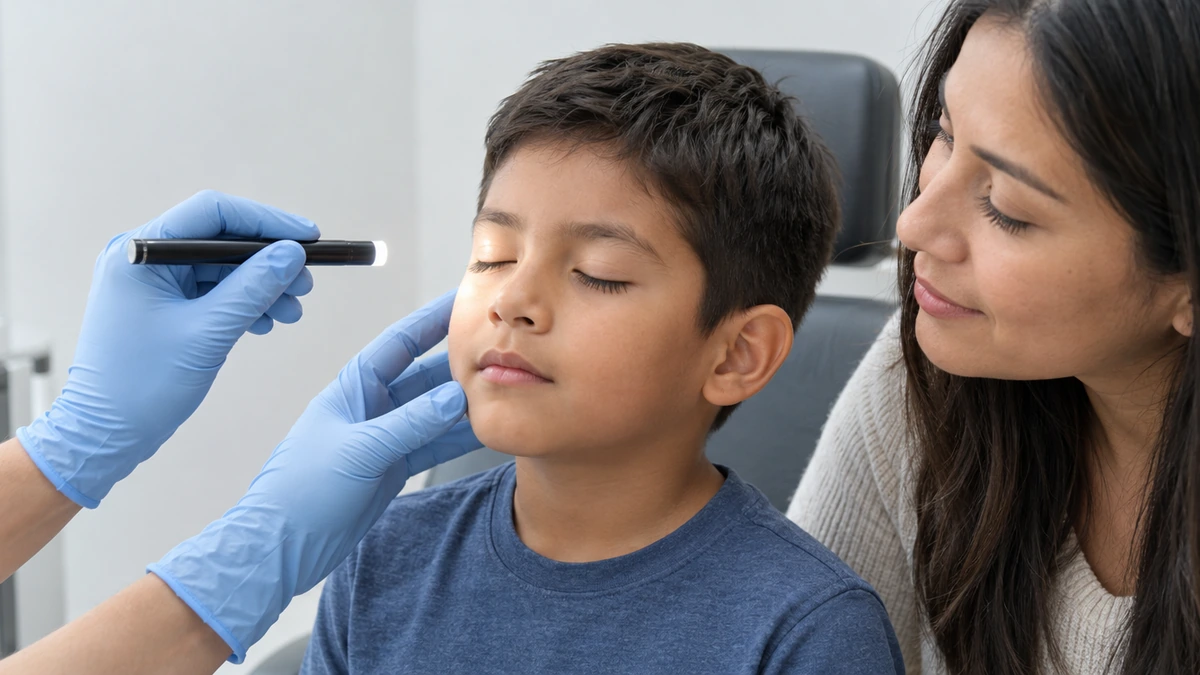
Book for a large, persistent, or recurring bump even without emergency symptoms. The American Optometric Association advises contacting an optometrist if a chalazion has not drained and healed within a month. You do not need to wait that long when the bump is growing or you are concerned. Changed vision belongs in the right-away guidance above.
Protecting your child’s eye health means looking past how the lid looks. Report any change in sight right away, even if your child says the bump looks better. A smaller bump is good news, and clear vision is the news that counts.
A pediatric eye exam gives the whole story room. Bring any earlier care instructions and the products you have used near your child’s eye, and I sort out what helped from what did not. Nothing you tried is a wrong answer.
How I Approach Your Child’s Eyelid Concern
I’m Dr. Amel Youssef, your optometrist at Vision by Amel, and your story about the bump opens the visit. When it started, what you tried, what changed. Then I examine the lid, explain what I see in plain English and hand you a plan for the days ahead. Clear instructions are part of your child’s eye care.
My team sees families from Summerlin every week, and children’s vision is central to the questions parents bring us. For your child’s non-urgent visit, explain whether the concern is a lid bump, a comprehensive eye exam, or both when you book. I put your account together with the examination findings and explain what they mean for the concern you came in with. Before you leave, we go over the next step and the symptoms that mean you should seek care sooner.
Bring your child to Suite 195 at 2010 Festival Plaza Dr, Las Vegas, NV 89135, inside Festival Plaza in Downtown Summerlin. No referral is needed for an eye exam. Book online or call for a non-urgent appointment, and describe the eyelid concern when arranging the visit. Use emergency care right away for the warning signs above.
Frequently Asked Questions About Styes and Eyelid Bumps in Kids
Is the Bump on My Child’s Eyelid a Stye or a Chalazion?
A stye is an infected eyelid gland, and a chalazion is a blocked oil gland. Chalazia show up more often in adults than in children, the American Optometric Association notes, most often between ages 30 and 50. Your child’s bump still gets its name at an eye exam, because the two sometimes look alike.
How Do I Treat My Child’s Stye at Home?
Use the warm compress routine above, and never squeeze the bump. In most cases a stye goes away on its own, says the American Optometric Association, though no fixed timeline fits every child. Call me if your child’s bump keeps growing, and get care right away for the warning signs above.
Does a Stye Need Antibiotics?
Not always. Most styes clear on their own, the American Optometric Association notes, and the American Academy of Ophthalmology says an ophthalmologist might prescribe an antibiotic for an infected stye, a decision made at the exam. Before you leave with drops or ointment, know the dose, where it goes and how many days it runs.
When Does an Eyelid Bump Need a Doctor?
Book an exam for a bump that is large, lasts or keeps coming back, and get care right away if your child’s vision changes. A large chalazion sometimes presses on the eye and blurs vision, the AAO notes, and AAPOS warns that a big chalazion that does not go away sometimes causes eye problems, especially in young children. When surgery is the answer, children usually need anesthesia, says AAPOS, and I refer you to an ophthalmologist for it.
My Child’s Eyelid Is Swollen and Red. When Is It an Emergency?
A swollen, red eyelid with pain when your child moves the eye, trouble moving the eye, a bulging eye, double or reduced vision, or fever needs emergency care right away. Your child’s lack of fever does not rule out orbital cellulitis, as AAO EyeWiki notes. Go to the emergency room rather than waiting for every sign to appear.
Book My Eye Exam Call (702) 858-4362
Like this article? Add Vision by Amel as a preferred source, and you are more likely to see our articles in Google’s Top Stories.

Leave a Reply