Tag: resident preparation

  • Mobile Eye Exam Versus Vision Screening: What Facility Operators Should Know

    Mobile Eye Exam Versus Vision Screening: What Facility Operators Should Know

    Mobile Eye Exam Versus Vision Screening: What Facility Operators Should Know

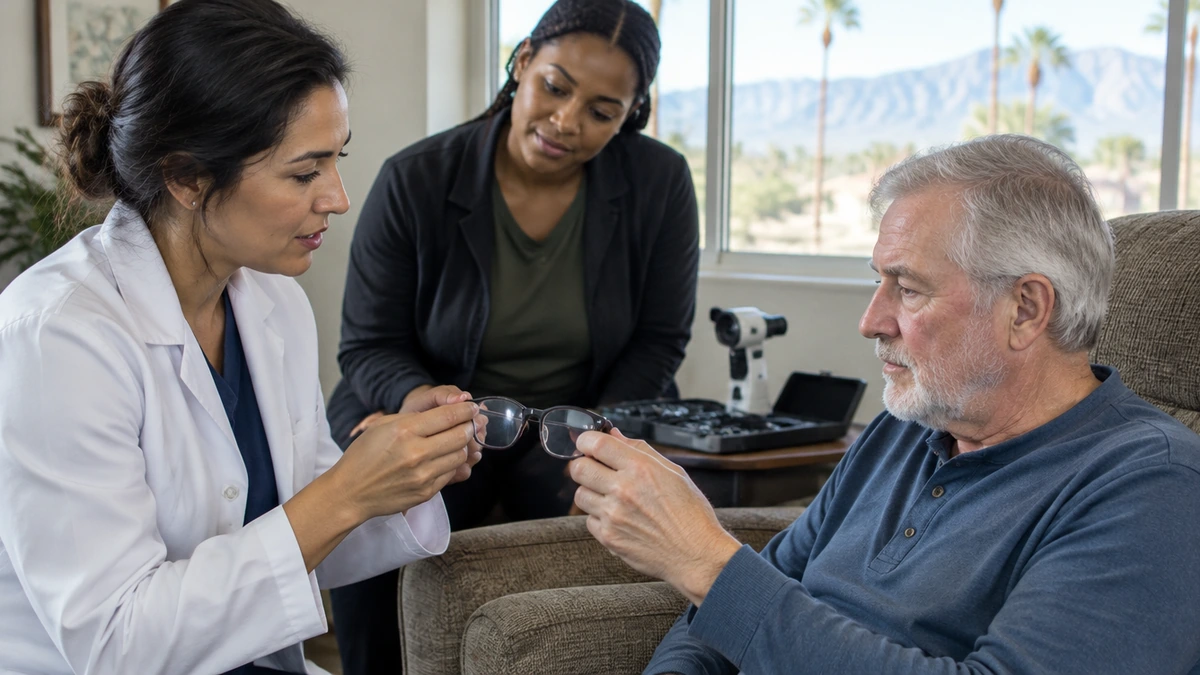
    Clinician explaining an assessment to a resident, eye exam versus vision screening seniors

    TLDR: I help you compare an eye exam versus vision screening for seniors by what gets checked. Screening identifies selected vision concerns, while a comprehensive examination also evaluates overall eye health. Your visit plan needs the examination scope, a record of findings, and the next step for anything unresolved.

    Answer: For a mobile eye exam, I bring planned examination services to your assisted living facility in Las Vegas. Vision screening checks selected aspects of vision, leaving other questions for a fuller assessment. Choose the service by its tests, prescription process, findings, and follow-up, then prepare residents and the room for that specific visit.

    I want you to know the service scope before booking. You need to know what residents receive, what staff prepare, and what happens if testing remains incomplete. Put those details beside the schedule before inviting residents. A resident asking about blurred print needs a clear explanation of what the appointment will address.

    Match the room to the assessment. A facility-coordinated vision day joins preparation, examination, and follow-up in your visit plan. As your mobile optometrist, I explain the service and its limits, whether residents sit in your private room or attend another appointment. The location alone does not tell you how complete the examination will be.

    Eye Exam Versus Vision Screening for Seniors: What Changes?
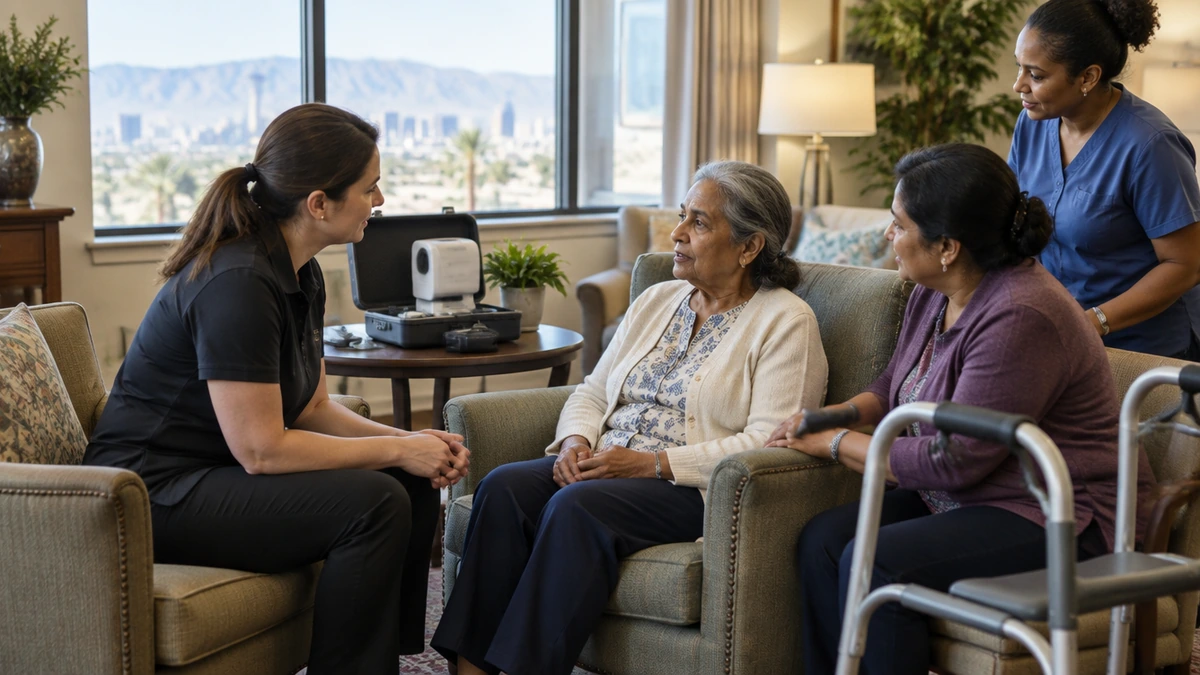
    Resident and care director discussing an assessment, eye exam versus vision screening seniors
    Resident and care director discussing an assessment.

    A screening has a limited purpose. MedlinePlus explains screening limitations: screening identifies some common problems but misses other disorders, while a comprehensive eye exam also evaluates overall eye health. When comparing providers, check which measurements your proposed screening includes before putting it on the schedule. I do not treat a passing chart result as a complete assessment of a resident’s eyes.

    Give the appointment its correct name. Identify whether your booking is for screening, refraction, a comprehensive examination, or another defined service before comparing appointment slots. I explain the purpose of the visual acuity measurement in your visit description. Keep the planned service and completed work in the resident’s follow-up record.

    Check components before accepting the label. I reviewed 69 primary sources across five research lenses for this series, and Nevada defines comprehensive examinations by their components. Nevada’s comprehensive-examination statute specifies in-person elements and permits an alternative obtaining comparable data when a component cannot be performed. When comparing providers, review the planned components and documentation of incomplete testing with the optometrist offering your proposed service. The same statute distinguishes non-comprehensive examinations.

    Your comparison questionVision screeningComprehensive examination
    What is the purpose?Identify selected vision concernsAssess vision and overall eye health
    What should the proposal describe?Measurements and screening criteriaPlanned examination components
    What documentation should you request?Result and recommended next stepFindings, completion limits and clinical plan
    What about glasses?Identify whether refraction needs a separate appointmentConfirm the prescription and dispensing process
    How do you track follow-up?Record who arranges further assessmentRecord who handles clinical follow-up and referrals

    Eye Exam Versus Vision Screening for Seniors: What Should You Verify?
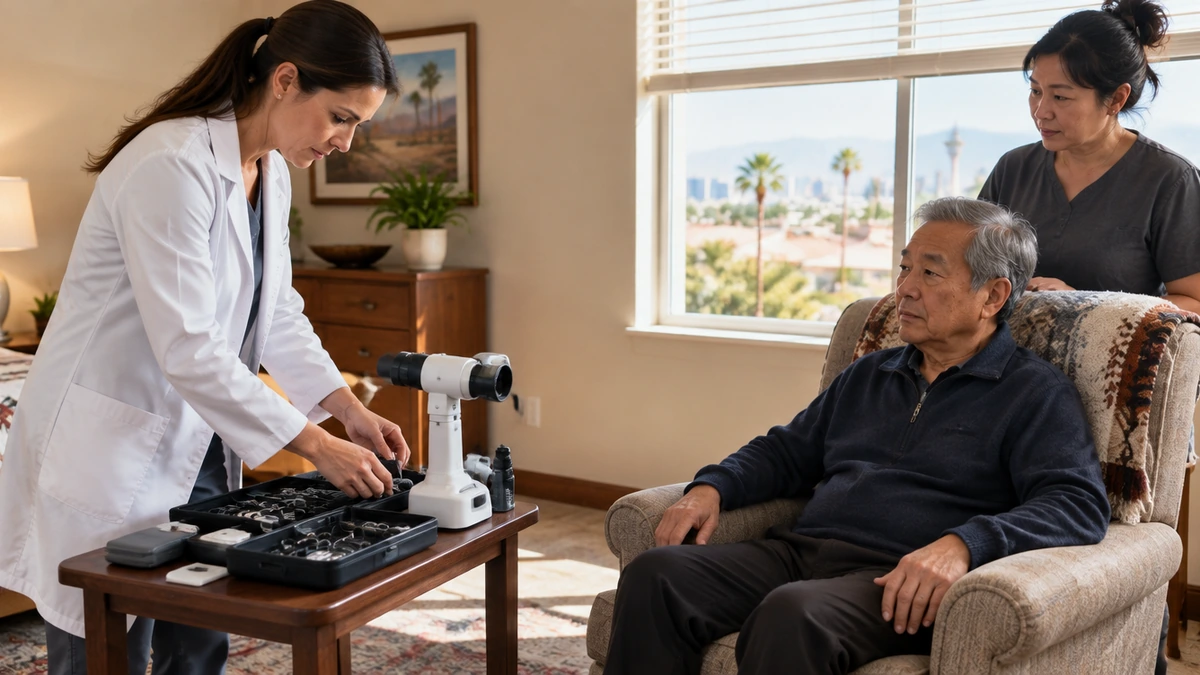
    Clinician preparing portable examination equipment, eye exam versus vision screening seniors
    Clinician preparing portable examination equipment.

    Put the scope in writing. Your visit description should identify what addresses vision correction, what assesses the health of the eye, and what the facility setting supports. Review those limits with me before your planning call ends. Give staff the description so they prepare the room and residents for the actual examination.

    Describe omitted services accurately. Nevada’s examination advertising rule requires a specific disclosure when an advertised examination omits a listed service, including subjective refraction or dilated fundus examination. When comparing providers, use the selected practice’s reviewed examination wording in your resident invitation. Keep the approved description with the visit plan before staff distribute the invitation.

    Set the location for retinal assessment. The AOA diabetes guideline recommends examining the retina through dilated pupils for diabetic retinopathy and treats retinal photography as a separate consideration. For your resident with diabetes, I clarify where the clinically indicated examination will happen. Record the next appointment when the needed assessment extends beyond the facility visit.

    Describe the resident in the chair. For your on-site eye care visit, I need positioning and communication details, including staff help, a familiar caregiver, or flexible scheduling. Supply those needs before booking without promising completion of every test. I determine the assessment and record its limits.

    How Do Prescriptions Differ From an Eye Health Assessment?
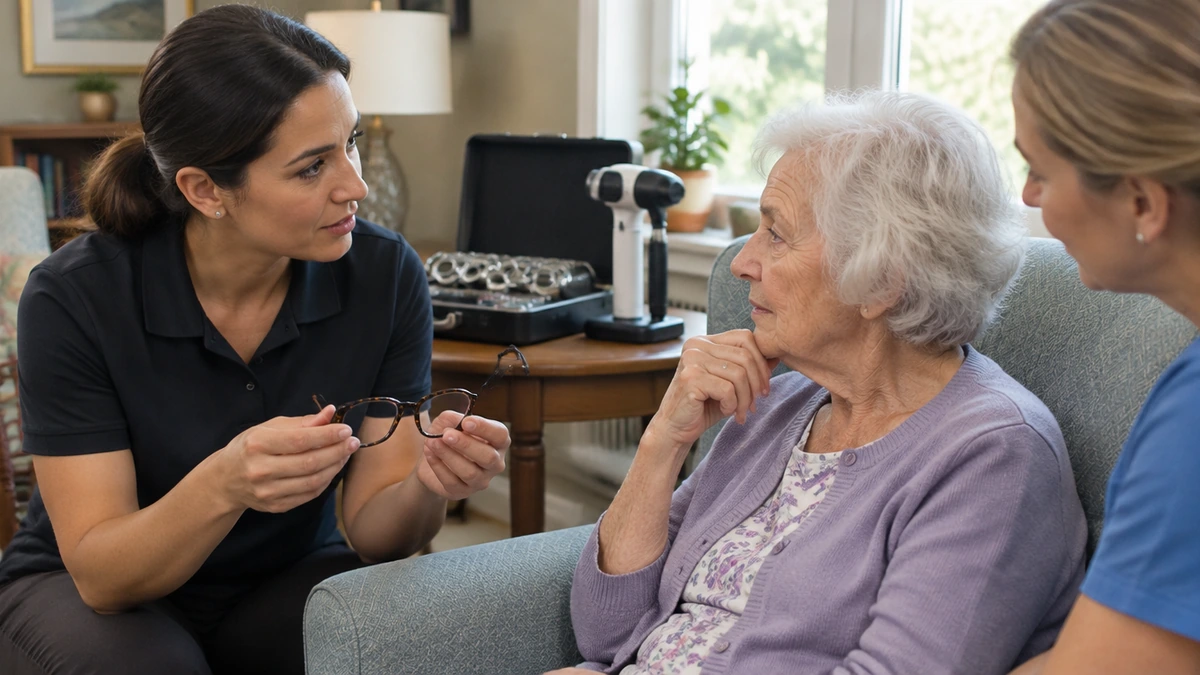
    Clinician and resident discussing current glasses, eye exam versus vision screening seniors
    Clinician and resident discussing current glasses.

    Bring both sets of concerns. For example, your resident wants replacement glasses, while the caregiver has noticed a change in reading or another familiar activity. Give me those observations alongside the prescription question. Before the visit ends, get the next steps for refraction, findings, and any further evaluation clear in the care record.

    Track glasses and clinical follow-up separately. I explain the prescription, and my eyewear team handles selection, frame fitting, and the order through delivery. Keep any additional clinical appointment on your follow-up list under its own contact. A glasses delivery update leaves pending examination findings for me to address.

    Prepare the glasses and relevant history. Review Vision by Amel’s eye examination services before your planning call so you have specific questions about the facility examination and services needing another setting. Supply the requested records through secure intake. Use the resulting instructions to assign staff follow-through after the examination.

    My team and I check benefits before service. Identify your resident’s actual Medicare, Medicaid, or Medicare Advantage plan for verification against the planned care. Review examination benefits and eyewear choices separately with my team. Keep the plan’s response in the resident’s private administrative record so staff know which questions remain open.

    What Should Clinical Documentation and Referrals Include?

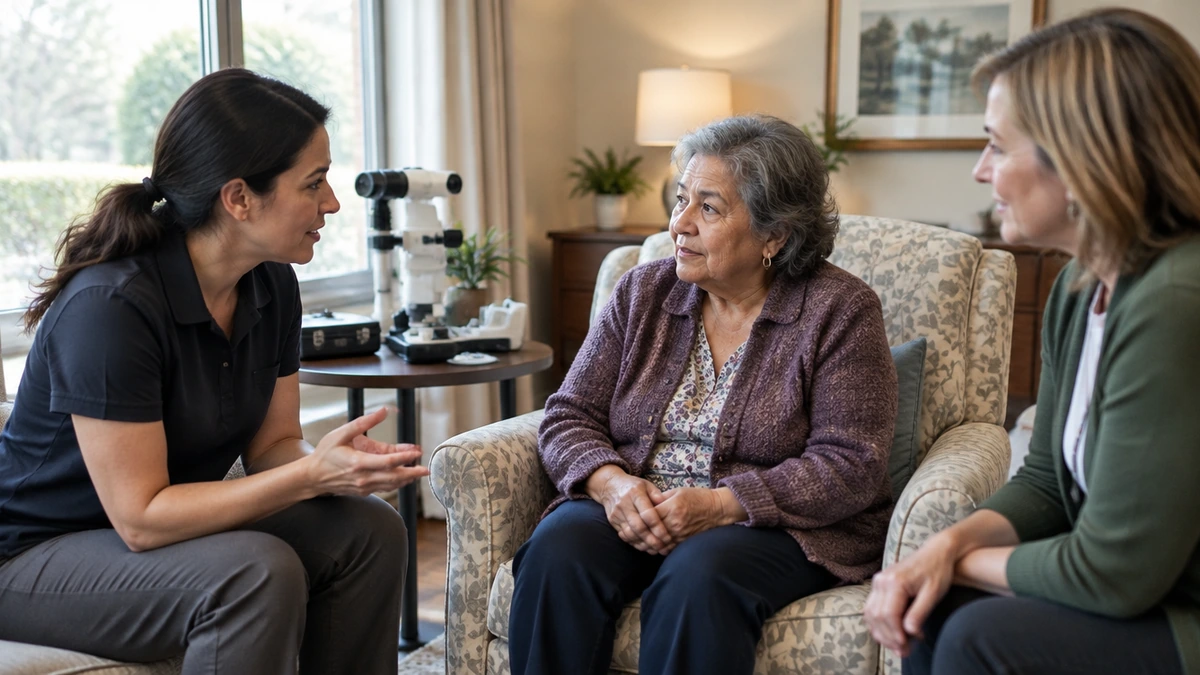
    Resident and caregiver discussing follow-up, eye exam versus vision screening seniors
    Resident and caregiver discussing follow-up.

    Name who receives the findings. Plan how your resident, authorized representative, and appropriate care contacts receive reports before the exam begins. Set the secure channel for records and assign a facility contact to track instructions. Your contact follows up on missing reports, and I interpret the examination findings.

    Give missing reports a follow-up contact. A Canadian facility optometry program tracked follow-up timing and supplied examination reports to family physicians. Use those published tasks to prepare your own communication plan with my team. Record who checks for the report and who calls when an expected document has not arrived.

    Keep unfinished testing on the list. Your record needs the pending assessment, the person booking it, and the way the resident receives the plan. Record my intended timing alongside the task. Bring open actions to the next staff handoff instead of marking the visit complete because the resident attended.

    Make the referral ready to act on. Name who contacts the outside doctor receiving the referral, who sends the relevant records securely, and who helps your resident attend. Include the contact route for questions beside the referral entry. Check completion in the resident’s private care record so staff know whether the appointment happened.

    How Do You Choose the Right Service for Residents?

    Start with the resident’s reason for coming. Describe prescription questions, existing follow-up requests, and reported changes so I recommend the appropriate service for each person. If your resident holds a book away from the chair, describe that concern plainly. A shared address does not give everyone the same examination needs.

    1. Gather resident interest and the reason each person wants an appointment.
    2. Verify resident consent and any representative’s authority through the intake process.
    3. Request the planned examination scope and identify needs requiring another setting.
    4. Confirm benefits, private space, electrical access and the resident schedule.
    5. Assign responsibility for reports, eyewear questions and referral follow-up.

    Give staff a practical preparation list. Use the on-site examination workflow to organize your resident handoff before and after the visit. Apply the mobile optometrist selection questions when reviewing credentials, scope, and follow-up. Get answers tied to the room and residents involved in your facility’s appointment plan.

    Make the invitation match the service. Describe what your residents are choosing, voluntary participation, and how to raise questions before scheduling. Use my reviewed wording for the examination when you plan a visit with me. Keep the service name clear instead of calling every appointment a vision check.

    Request Comprehensive On-Site Eye Care With Vision by Amel

    Plan around your residents’ needs. I am Dr. Amel Youssef, OD, founder of my practice, Vision by Amel, in Downtown Summerlin. I invite you to plan a visit for your assisted living home, memory care community, or senior living community in the Las Vegas Valley. Bring the resident interest list and a description of the private room to the planning call. Review examination scope before building the schedule.

    Prepare the visit with my team. Your facility contact gathers resident interest, consent, and insurance documents and prepares a private room with electrical access. Participation is voluntary. My team and I verify insurance benefits before service. Benefits depend on each resident’s eligibility and plan terms.

    Plan your eyewear handoff with me. My team and I coordinate secure intake, eyewear selection, measurements, delivery, and adjustments. I review responsibility for follow-up or referral with you before the visit.

    Frequently Asked Questions About Mobile Examinations and Vision Screening

    What should we request if a proposal only says vision check?

    Get a service description naming the examination, its purpose, and the expected next steps. Keep it with your facility visit plan before circulating the invitation. Staff then have the same wording when a resident asks what the appointment includes.

    How should we handle residents already seeing another eye doctor?

    Keep existing follow-up appointments in the plan and let each resident choose whether to participate. Record what your resident wants the visit to address and send current care details through private intake. Set how your resident wants me and their existing eye doctor to share the relevant information.

    What if a resident changes their mind on examination day?

    Respect the decision and update your schedule. Tell my team the appointment has changed through the visit’s scheduling process. Offer information about another opportunity only if the resident wants it, with participation still voluntary.

    What should we do with old screening results?

    Keep old results available, with their source and date, for my review. Send the requested records through your secure intake channel once I identify which are useful. The date helps me see what the earlier screening describes.

    Who should explain an unfamiliar term in the examination report?

    I explain terms in my examination report and any action they call for. Send your question through the clinical contact route, quoting the report accurately. Record the explanation and resulting task in the resident’s care record.

    Schedule an On-Site Vision Day Speak With Dr. Amel’s Team: (702) 858-4362

    Like this article? Add Vision by Amel as a preferred source, and you are more likely to see our articles in Google’s Top Stories.

    Add as a preferred source on Google

  • How to Prepare Residents for an On-Site Eye Examination

    How to Prepare Residents for an On-Site Eye Examination

    How to Prepare Residents for an On-Site Eye Examination

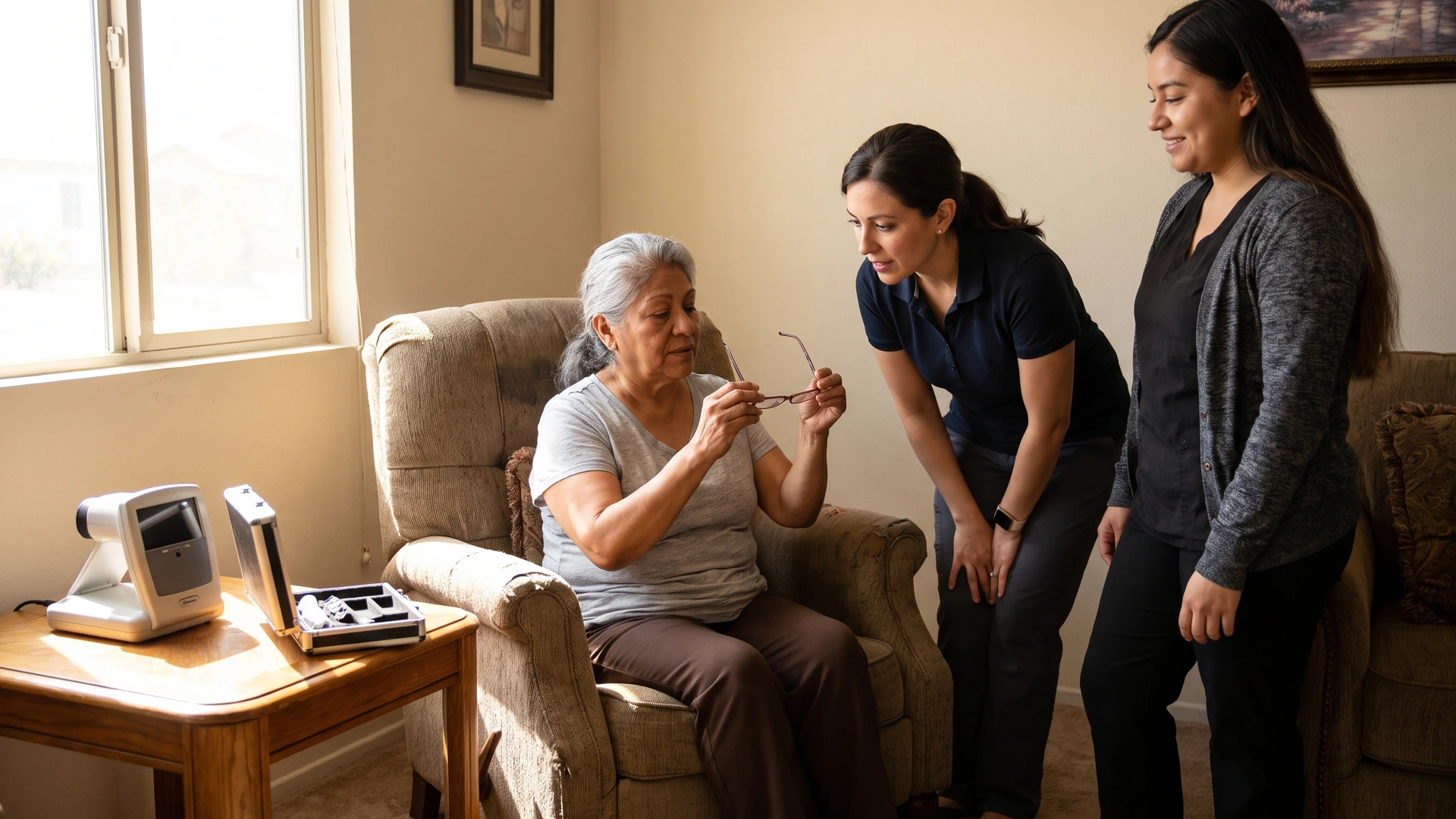
    Resident showing glasses to an optometrist, prepare assisted living residents for eye exam

    TLDR: I help you prepare assisted living residents for an eye exam by explaining the visit, recording their choice to participate, and gathering the requested information. Bring current glasses, plan communication and mobility support, and settle representative involvement before examination day. Leave time for each resident’s questions and follow-up instructions.

    Answer: You prepare assisted living residents for an eye exam in Las Vegas by starting with their concerns and choice to participate. Gather consent documents, current glasses, medication information, and insurance details for secure intake. Tell me who needs communication or mobility support, involve the authorized representative where needed, and assign staff to help with examination and aftercare instructions.

    I ask you to begin with the resident’s concern. Someone wants help reading a favorite book, while another person is worried about uncomfortable glasses. Ask what they want to discuss before you explain the schedule. A clear purpose gives the resident something useful to bring to the conversation.

    Prepare the staff helping your residents. Planning on-site eye examinations for senior living includes a clear handoff to me and private space for the resident to speak. Use this guide to prepare assisted living residents for an eye exam around their questions, glasses, and support needs. Keep the pace personal when the home schedules a group visit.

    Prepare Assisted Living Residents for an Eye Exam: Explain the Plan

    Optometrist explaining a visit to a resident, prepare assisted living residents for eye exam
    Explain the room, people, and purpose of the visit

    Explain the visit before the paperwork. As your optometrist, I come to your home to discuss vision concerns and perform the planned examination. Tell the resident which room they will use, who will help them get there, and when to ask questions. Describe the examination scope agreed during planning, without promising additional tests.

    Keep the resident’s own words. If someone says their glasses feel awkward, write it down so you bring that concern to me without turning it into a diagnosis. Let me ask follow-up questions about vision and eye health. Put staff observations alongside the resident’s account and leave room for the resident to explain.

    Give the visit a clear purpose. Your resident needs to know how an examination, an eyewear conversation, and an outside referral fit the plan. Review the eye examination service information before explaining those steps. Take unanswered questions about the examination scope to the planning call so staff have clear answers for residents.

    How Do You Respect Choice and Arrange Representative Participation?

    Resident speaking with an optometrist and family member, prepare assisted living residents for eye exam
    Keep the resident involved when arranging support

    Make room for the resident’s choice. Nevada protects refusal of treatment to the extent permitted by law and medical-care privacy, including consent to the presence of people not directly involved in care. Explain voluntary participation before you enter a name on the schedule, and record whom the resident wants involved. Hold the consent conversation away from the common room’s activity.

    Check the representative’s actual authority. Nevada gives a guardian of the person authority to authorize medical care unless the court orders otherwise. Send current guardian or healthcare representative documents through secure intake, and flag restrictions or later orders when you submit them. A family relationship or name on an emergency-contact sheet does not establish the person’s role in the healthcare decision.

    Resolve overlapping documents before examination day. Nevada suspends an existing durable healthcare power of attorney when a guardian of the person is appointed. If both documents appear in your resident’s record, identify both for my team’s review. Use the resident consent planning guide to prepare questions about authority and participation before the schedule is final.

    Keep the resident in the conversation. Plan extra explanation time with me when your resident needs it, while completing the required consent process. Set whether the authorized representative will attend or be available by the agreed contact method. Check that person’s availability before the appointment goes onto the final schedule.

    What Should Residents Bring to the Examination?

    Resident presenting current glasses to an optometrist, prepare assisted living residents for eye exam
    Bring the glasses the resident actually uses

    Gather the items the resident uses. Bring current glasses and the medication information requested at intake, along with relevant details from previous eye appointments. Include your resident’s concerns and instructions from the resident’s existing outside eye doctor. Send requested records through secure intake and keep them out of the shared activity folder.

    Check the bedside table for glasses. Bring the reading pair and other everyday pairs requested by my team, including glasses your resident finds uncomfortable. Report missing or damaged eyewear during intake so I have the full picture. Keep each resident’s belongings together and never substitute someone else’s pair.

    Send insurance documents before the visit. Flag incomplete or changed plan details on your preparation list until my team resolves them. Supply the requested Medicare, Medicaid, or Medicare Advantage records for benefit verification before service. Keep that conversation private and let me explain the verified details to the resident.

    Preparation itemWhat to gatherWhat to tell my team
    Current eyewearThe glasses the resident usesDiscomfort, damage, or missing pairs
    Medication informationThe current list requested at intakeChanges since information was submitted
    Vision concernsThe resident’s own descriptionWhen the change was first noticed
    Representative contact and authorityRelevant current authority documentsAvailability and unresolved questions
    Communication and mobilityCommunication and mobility supportHelp needed to reach and use the room

    Check the preparation list again when you confirm attendance. A completed form does not tell your escort where the resident’s glasses are stored. Assign someone to gather the agreed items and return them afterward. Keep possessions with the correct resident throughout the visit.

    Prepare Assisted Living Residents for an Eye Exam: Adapt the Support

    Caregiver helping a resident talk with an optometrist, prepare assisted living residents for eye exam
    Plan support around the individual resident

    Describe the support your resident needs. I reviewed 69 primary sources across five research lenses for this series, and some residents with dementia in a published Canadian facility program needed family assistance or assessment over several days. Bring the person’s communication and mobility needs to the planning call, with the familiar caregiver’s availability, so I have concrete information before setting the examination plan.

    Give the resident time to answer. Tell me your resident’s preferred language, communication aids, and who helps explain an unfamiliar activity. Identify whether a familiar caregiver will be available during the visit. Speak directly to the resident and resolve any need for additional communication support before the examination.

    Plan around the wheelchair or walker. Describe escorts and positioning help before your room is set up so I understand the resident’s needs. Review the available support before planning transfers or changing usual assistance. Include the next step for incomplete testing or outside assessment if the room does not support the required examination.

    1. Ask the resident what support they want.
    2. Tell me about communication and mobility needs during planning.
    3. Confirm the escort, room access, and representative availability.
    4. Give me a private handoff before the assessment.
    5. Record the next step if the resident needs a pause or another appointment.

    Watch for the need to pause. A familiar room does not settle how your memory care resident will feel or whether testing will be completed. Have staff report signs the resident wants a break while I direct the assessment. Use the guide to examinations with dementia or limited mobility to prepare specific questions about support.

    Which Questions and Aftercare Needs Should You Prepare For?

    Bring concerns without rehearsing answers. Record what your resident says about reading, watching television, recognizing people, or wearing glasses. Keep staff observations separate from the resident’s words so I know who noticed what. A caregiver’s note about an unread book gives me a concrete starting point for questions.

    Let the resident ask for clarification. Tell your staff to leave time for answers instead of speaking for the resident to keep the schedule moving. At the handoff, identify which instructions need reinforcement after the appointment. Name who will explain those instructions to an authorized contact if requested.

    Plan support after dilation. NEI describes blurred vision and light sensitivity lasting several hours after a dilated examination. If dilation is anticipated, review your resident’s planned activities and available assistance with me before the visit. Follow the individual instructions given at the examination when helping the resident return to the day’s routine.

    Sudden changes need attention now. New sudden floaters, flashes, or a dark curtain or shadow warrant immediate assessment by an eye doctor or emergency department. Act promptly when your resident reports these symptoms instead of waiting for the scheduled vision day. Give the clinician providing that immediate assessment the resident’s description and when the change began.

    Request a Vision Day Planning Call With Vision by Amel

    Plan your visit with me. I am Dr. Amel Youssef, OD, founder of my practice, Vision by Amel, in Downtown Summerlin. I bring on-site eye care to assisted living homes, memory care communities, and senior living communities across the Las Vegas Valley. Discuss resident interest, consent, secure intake, and the route to your private room with electrical access. I review examination scope, eyewear steps, staff support, and referrals with you on the planning call.

    Your residents participate voluntarily. My team and I coordinate preparation, examinations, eyewear selection, measurements, delivery, adjustments, and follow-up for your vision day, with insurance benefits verified before service. Benefits depend on each resident’s eligibility and plan terms. Give the preparation instructions to the staff helping each resident gather glasses and get to the room.

    Frequently Asked Questions About Preparing Residents for On-Site Eye Examinations

    What if a resident cannot find their glasses before the visit?

    Report the missing pair and what the resident uses it for while staff continue searching. Keep your resident’s concerns ready for me so the conversation still starts with what needs attention. I determine how the missing glasses affect the planned assessment.

    Should I ask residents to change their medication routine?

    Use my preparation instructions for your resident’s examination. Pass any question about changing medication to the resident’s prescribing doctor before the visit. Obtain clear instructions and share them with the staff responsible for that resident’s care.

    How do I prepare a resident who is worried about the visit?

    Explain the room, who will be there, and what the visit involves, then listen to the resident’s concern. Bring unanswered clinical questions to me so you have an accurate response. Give the resident another conversation before requesting a scheduling decision.

    What should I do if the resident speaks a different language?

    Record the resident’s preferred language during registration and settle communication support before final scheduling. Your plan needs to cover the examination conversation and the explanation of written or spoken aftercare instructions. Name who will help the resident understand those instructions.

    What if a representative cannot attend in person?

    Set the representative’s contact method, document requirements, and availability before the appointment. Keep unanswered consent questions open on your preparation list until my team resolves them. An unanswered message is still an unfinished consent task.

    Schedule an On-Site Vision Day Speak With Dr. Amel’s Team: (702) 858-4362

    Like this article? Add Vision by Amel as a preferred source, and you are more likely to see our articles in Google’s Top Stories.

    Add as a preferred source on Google